 0
0
 language
  English
 русский
 Français
 Español
 Português
 عربى
عربى
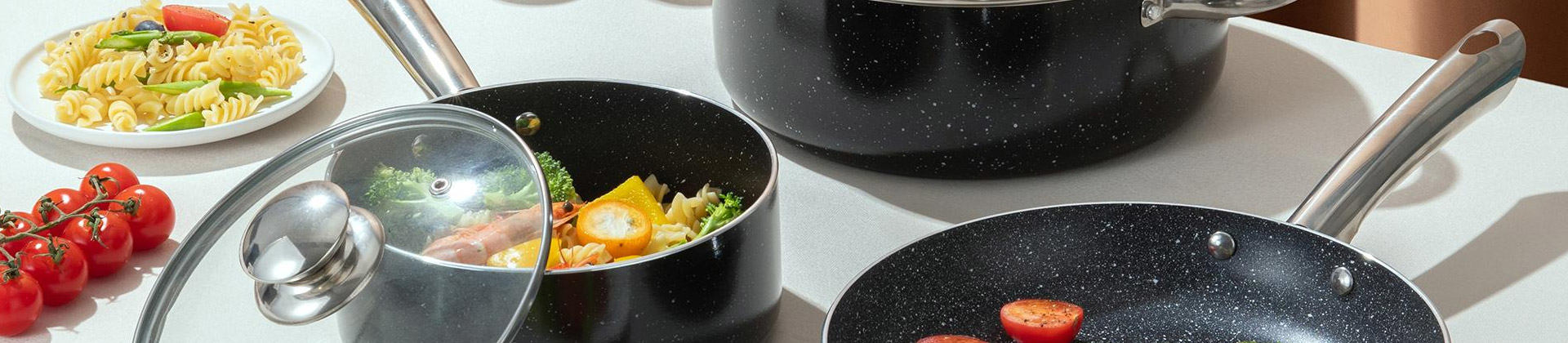
Why Do Restaurants Use Commercial Aluminum Pots
Mar 13, 2026
Busy kitchens depend on cookware that supports speed, consistency, and durability. Restaurant chefs, catering services, and institutional kitchens often rely on aluminum cookware for large-scale food preparation. An experienced Aluminum Casserole Pot Manufacturer frequently supplies cookware designed for demanding cooking environments, while Commercial Aluminum Pots remain a common sight in professional kitchens worldwide.
Restaurants choose cookware based on practical factors such as heat performance, capacity, and ease of handling. Aluminum cookware meets many of these operational needs, which explains its continued presence in commercial cooking environments.
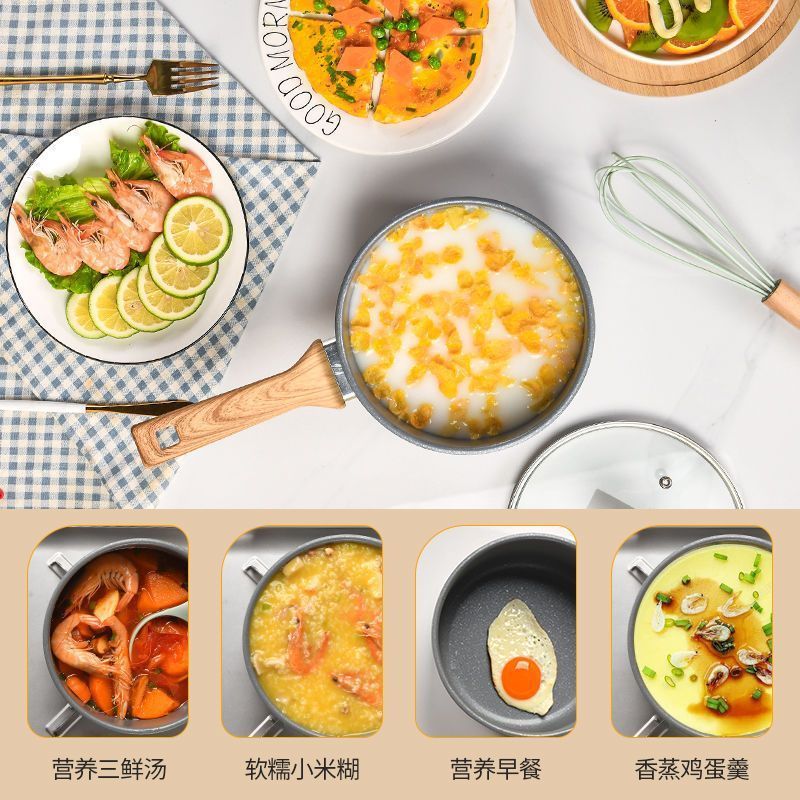
Key Advantages of Aluminum in Restaurant Kitchens
Professional kitchens operate under time pressure, often preparing multiple dishes simultaneously. Aluminum cookware offers several characteristics that support efficient cooking.
Important advantages include:
Rapid heat conductivity
Aluminum transfers heat quickly and distributes it evenly across the surface of the pot. This helps chefs reduce hot spots and maintain stable cooking temperatures.
Lightweight construction
Large cooking vessels must be moved frequently in busy kitchens. Aluminum pots are easier to lift and handle compared with heavier materials.
Large capacity availability
Commercial cookware often requires high-volume capacity for soups, stews, rice, or pasta. Aluminum casseroles and stockpots are widely produced in large sizes.
Energy efficiency
Because aluminum heats quickly, restaurants can reach cooking temperatures faster, which may help reduce cooking time during peak hours.
These features explain why Commercial Aluminum Pots are commonly used in restaurants, cafeterias, and food service facilities.
Cost Efficiency for Food Service Operations
Budget control is another important factor for restaurants. Commercial kitchens typically require multiple sets of cookware that can withstand frequent daily use.
Aluminum cookware is widely used because:
Production costs are relatively moderate
Replacement is easier compared with expensive cookware materials
Large cookware sets can be purchased for kitchen operations
These economic considerations are important for restaurants managing equipment costs across multiple kitchen stations.
Manufacturers such as Zhejiang Wantong Industry & Trade Co., Ltd. supply cookware designed to balance durability and cost efficiency for professional users.
Suitable Cooking Applications
Aluminum cookware performs well in many restaurant cooking tasks. Its heat transfer ability makes it particularly useful for dishes that require controlled heating.
Typical applications include:
Soup and broth preparation
Large aluminum stockpots are often used for preparing soup bases, bone broth, and stock in high-volume kitchens.
Rice and grain cooking
Uniform heat distribution helps cook rice, noodles, and grains more evenly.
Boiling and steaming
Commercial kitchens often boil vegetables, pasta, or seafood in aluminum pots due to their quick heating properties.
Stew and casserole cooking
Deep aluminum casserole pots are commonly used for stews, sauces, and slow simmering dishes.
These cooking tasks highlight why aluminum remains a practical option in restaurant environments.
Considerations When Using Aluminum Cookware
Despite its advantages, aluminum cookware also requires proper handling. Certain ingredients can react with aluminum surfaces under specific conditions.
Food safety guidance often recommends avoiding long cooking times with highly acidic ingredients in untreated aluminum cookware because acids may react with the metal surface.
Examples of such ingredients include:
Tomato-based sauces
Vinegar-heavy marinades
Citrus-based dishes
These reactions may cause flavor changes or surface pitting on cookware.
To reduce these effects, many modern aluminum pots use protective treatments such as anodized surfaces or interior coatings.
Improvements in Modern Aluminum Cookware
Manufacturing processes have evolved significantly over time. Today’s aluminum cookware often includes design improvements that help address common concerns.
Modern cookware may feature:
Anodized aluminum surfaces that reduce chemical reactions
Protective interior coatings that separate food from the base metal
Thicker aluminum bases for improved durability
Reinforced handles for heavy commercial use
These upgrades allow aluminum cookware to remain practical for both home kitchens and professional cooking environments.
An Aluminum Casserole Pot Manufacturer often incorporates such features to support long-term use in demanding food preparation settings.
Why Aluminum Continues to Be Used in Commercial Kitchens
Restaurant kitchens must prioritize efficiency, practicality, and reliability. Aluminum cookware offers a combination of features that meet these requirements.
Chefs and kitchen managers often value:
Fast heat distribution
Lightweight handling
Availability in large cooking capacities
Practical replacement costs
These factors contribute to the continued use of Commercial Aluminum Pots in restaurants and catering operations around the world.
Cookware manufacturers such as Zhejiang Wantong Industry & Trade Co., Ltd. continue to develop aluminum cookware designed to support professional kitchen workflows while maintaining consistent cooking performance.
Share:
Related Products

Need Custom Cookware? OEM & ODM Experts – Contact Us Today!
-

0086-578-3183238
-

0086-13750930689
-

-

86-13750930689
https://www.pinterest.com/zhuohao2021/ -

No.3 Xinye Road, Jinyun Industrial Area, Zhejiang, China.
Copyright © Zhejiang Wantong Industry & Trade Co., Ltd.

OEM/ODM Kitchen Cookware Manufacturer