 0
0
 language
  English
 русский
 Français
 Español
 Português
 عربى
عربى
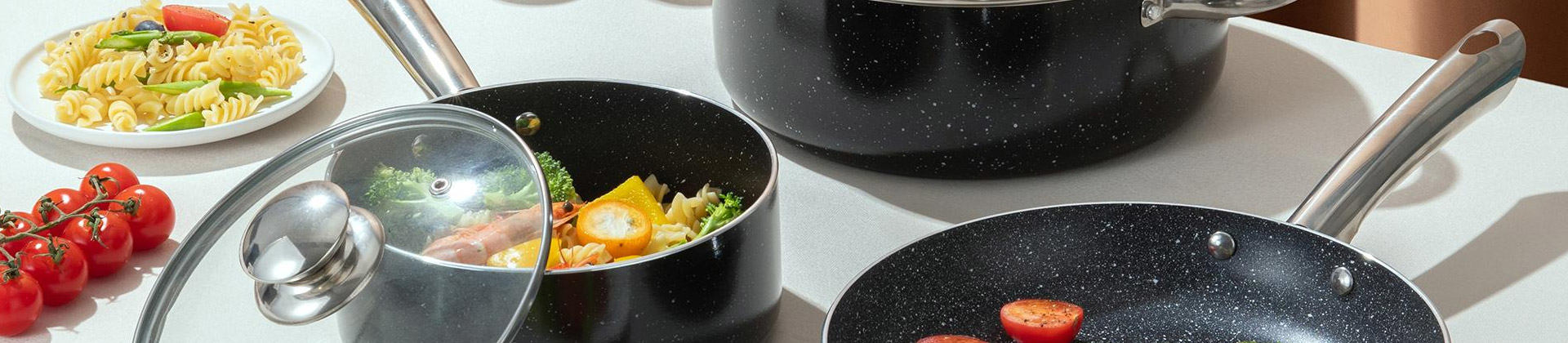
Can Commercial Aluminum Pots Warp Under High Heat
Mar 20, 2026
High-temperature cooking is common in restaurant kitchens, catering services, and food preparation facilities. Large cooking vessels must handle boiling, simmering, and extended heating cycles every day. Discussions about cookware durability often raise a practical question: can aluminum pots lose their shape under intense heat?
An experienced Aluminum Casserole Pot Manufacturer frequently receives this question from professional kitchens evaluating equipment for heavy-duty cooking tasks. Meanwhile, Commercial Aluminum Pots continue to appear in restaurants, cafeterias, and catering kitchens due to their thermal performance and practical handling.
Understanding how aluminum behaves under high temperatures helps chefs and kitchen managers use cookware more effectively.
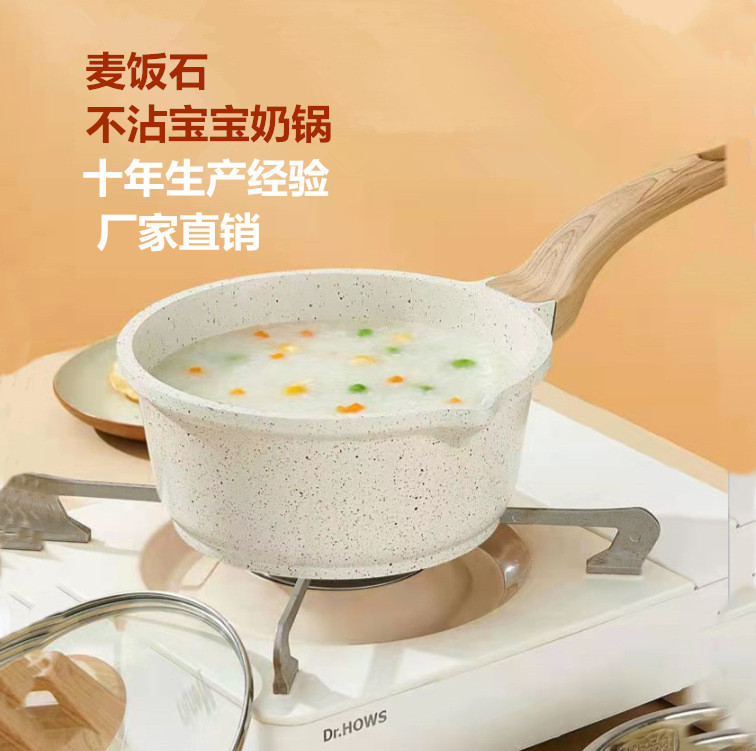
Heat Conductivity of Aluminum Cookware
Aluminum is widely used in cookware because of its strong heat conductivity. The metal distributes heat quickly across the base and sides of a pot, helping food cook more evenly.
Several properties explain this popularity:
Fast heat transfer across the cooking surface
Reduced hot spots compared with some thicker metals
Shorter heating times during boiling or simmering
Lightweight construction for easier movement in busy kitchens
These characteristics make aluminum cookware suitable for large-volume cooking tasks such as soups, stocks, pasta, and stews.
Professional kitchens often rely on Commercial Aluminum Pots when preparing large batches of food where consistent heat distribution is important.
Factors That Can Cause Warping
Despite its advantages, aluminum is a relatively soft metal compared with stainless steel or cast iron. Under certain conditions, cookware may gradually deform.
Common causes of warping include:
Excessively High Burner Temperatures
Direct exposure to extremely high heat without liquid or food inside the pot can cause thermal stress. Rapid expansion of the metal may eventually affect the shape of the base.
Thin Metal Construction
Cookware with very thin aluminum walls is more susceptible to bending or distortion during repeated heating cycles.
Rapid Temperature Changes
Sudden cooling after intense heating can place stress on the material. For example, placing a hot pot directly into cold water may create structural tension.
Long-Term Commercial Use
Busy kitchens operate cookware for extended hours. Continuous heating over time can gradually affect cookware structure, especially when pots are frequently moved across burners.
Research examining aluminum cookware shows that factors such as temperature, cooking time, and pot type can influence material behavior and element migration during cooking.
Signs That a Pot May Be Warping
Kitchen staff can often recognize early signs of deformation during regular use.
Common indicators include:
The pot no longer sits flat on the stove surface
Uneven contact with the burner
Slight rocking movement when placed on a flat countertop
Irregular heating patterns during cooking
Damaged cookware may also heat unevenly or increase the chance of metal interaction with food. Experts recommend avoiding cookware that is severely scratched, pitted, or warped because deterioration can increase metal leaching into food.
Design Improvements in Modern Aluminum Cookware
Manufacturing techniques have improved significantly over the years. Modern aluminum cookware often includes structural features that help reduce the risk of warping.
Examples of design improvements include:
Thicker aluminum bases
Heavier bases distribute heat more evenly and improve resistance to deformation.
Reinforced rim structures
Strengthened edges help maintain the shape of large pots during handling.
Layered construction
Some cookware combines aluminum with other metals to improve durability and stability.
Manufacturers such as Zhejiang Wantong Industry & Trade Co., Ltd. focus on production processes that improve structural stability while maintaining efficient heat transfer.
Proper Usage Helps Extend Cookware Life
Handling practices also influence cookware durability. Professional kitchens often follow practical guidelines to extend the service life of aluminum pots.
Helpful practices include:
Avoid heating empty cookware for extended periods
Use moderate burner settings when possible
Allow cookware to cool naturally before washing
Store pots carefully to prevent physical impact
These simple habits reduce thermal stress and mechanical damage during everyday cooking operations.
Why Restaurants Continue Using Aluminum Cookware
Even with the possibility of long-term deformation under harsh conditions, aluminum cookware remains widely used in professional kitchens.
Operational advantages still include:
Fast heating for high-volume cooking
Easy handling due to lighter weight
Availability in large capacities for soup and stock preparation
Efficient cooking performance during busy service hours
Large Commercial Aluminum Pots remain a practical choice for food service operations that require speed, volume, and manageable cookware weight.
Balancing Heat Performance and Durability
High heat alone does not automatically cause aluminum cookware to warp. Material thickness, manufacturing quality, and cooking practices all play a role in determining how cookware performs over time.
Reliable products supplied by a professional Aluminum Casserole Pot Manufacturer are designed to withstand demanding kitchen environments. Proper usage and maintenance help ensure consistent performance during everyday cooking tasks.
Commercial kitchens selecting durable cookware often evaluate factors such as material thickness, structural design, and manufacturing standards. Careful selection allows aluminum cookware to continue supporting efficient cooking in both restaurant and large-scale food preparation environments.
Share:
Related Products

Need Custom Cookware? OEM & ODM Experts – Contact Us Today!
-

0086-578-3183238
-

0086-13750930689
-

-

86-13750930689
https://www.pinterest.com/zhuohao2021/ -

No.3 Xinye Road, Jinyun Industrial Area, Zhejiang, China.
Copyright © Zhejiang Wantong Industry & Trade Co., Ltd.

OEM/ODM Kitchen Cookware Manufacturer