 0
0
 language
  English
 русский
 Français
 Español
 Português
 عربى
عربى
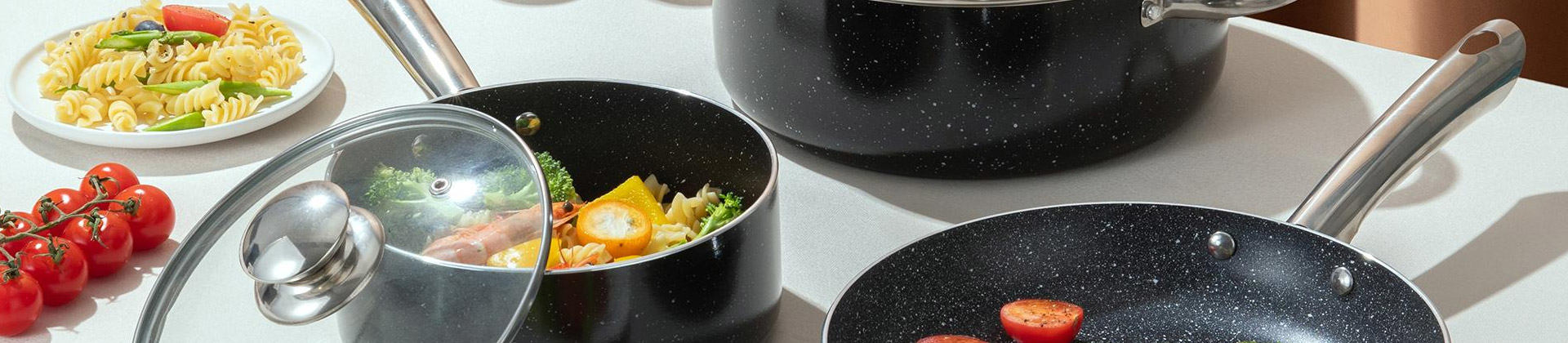
How to Maintain an Aluminum Casserole Pot Properly
Mar 27, 2026
Proper care helps cookware perform consistently and last longer in both home kitchens and professional food service environments. Restaurants and catering kitchens rely on durable cookware for daily operations, and maintenance plays a key role in preserving performance. An experienced Aluminum Casserole Pot Manufacturer often provides care recommendations to ensure cookware stays reliable during frequent use. Meanwhile, Commercial Aluminum Pots remain widely used in food preparation because of their heat conductivity and lightweight construction.
Daily Cleaning Practices
Routine cleaning is one of the simplest ways to maintain aluminum cookware. Food residue, grease, and minerals from water can accumulate over time and affect both appearance and cooking performance.
Recommended cleaning steps include:
Rinse the pot with warm water immediately after cooking
Use mild dish soap and a soft sponge
Avoid steel wool or abrasive scrubbers
Dry the pot with a soft cloth after washing
Cleaning experts note that gentle detergents and soft sponges help protect the aluminum surface, while abrasive cleaning tools may scratch the metal and damage the cookware.
Hand washing is often recommended because dishwasher detergents and high temperatures may cause discoloration or corrosion on aluminum surfaces.
Removing Stains and Discoloration
Over time, aluminum cookware may develop dark spots or dull surfaces due to oxidation and heat exposure. These changes are common and usually affect appearance rather than performance.
Simple cleaning solutions can help restore the surface:
Boil water mixed with vinegar inside the pot
Use baking soda paste for stubborn stains
Gently scrub with a soft sponge
Rinse thoroughly and dry immediately
Household ingredients such as vinegar or baking soda can help loosen stains and remove oxidation without damaging the metal when used properly.
Maintaining a clean surface also helps prevent food residue from building up over time.
Cooking Habits That Protect Aluminum Pots
Cooking techniques can influence how well aluminum cookware performs over time. Because aluminum conducts heat efficiently, extremely high temperatures are rarely necessary.
Helpful cooking practices include:
Use moderate heat levels
Aluminum heats quickly, so medium heat is often sufficient for more recipes.
Avoid heating empty pots
Extended heating without food or liquid may cause discoloration or structural stress.
Add salt after water boils
Undissolved salt can cause pitting on aluminum surfaces when it sits directly on the metal.
Limit prolonged cooking of acidic foods
Tomatoes, citrus, and vinegar-based dishes may react with aluminum surfaces and affect flavor or appearance.
Following these simple habits helps maintain cookware quality during regular use.
Choosing the Right Utensils
Utensils used during cooking also affect the condition of aluminum cookware. Hard or sharp tools can scratch the metal surface.
Common recommendations include:
Wooden spoons
Silicone utensils
Smooth plastic cooking tools
Using non-metal utensils helps protect the interior surface and reduces the chance of scratches or pitting.
Scratches may not always affect cooking performance immediately, but they can shorten the lifespan of cookware over time.
Proper Storage for Aluminum Cookware
Storage is another important factor that many kitchens overlook. Stacking heavy cookware directly on aluminum surfaces may cause dents or scratches.
Better storage methods include:
Storing pots in a dry environment
Placing protective liners between stacked cookware
Avoiding heavy pressure from other kitchen equipment
Keeping lids separate to prevent trapped moisture
Dry storage is particularly important because moisture may contribute to oxidation spots on aluminum cookware.
Commercial kitchens often implement organized cookware racks to prevent unnecessary contact between large pots.
Routine Inspection in Commercial Kitchens
High-volume cooking environments should inspect cookware periodically. Restaurant kitchens frequently use large Commercial Aluminum Pots for soups, stocks, and large batch cooking.
Regular inspections help identify:
Surface scratches
Warping of the pot base
Loose handles or rivets
Excessive discoloration
Addressing these issues early helps maintain cooking consistency and ensures kitchen equipment remains safe to use.
Manufacturers such as Zhejiang Wantong Industry & Trade Co., Ltd. design aluminum cookware intended for repeated use in demanding cooking environments, but proper care is still essential for long-term durability.
Consistent Maintenance Improves Longevity
Aluminum cookware continues to be widely used because it combines practical weight, efficient heat transfer, and versatile cooking applications. Proper cleaning habits, moderate cooking temperatures, and careful storage can significantly extend the lifespan of cookware.
Reliable products supplied by an experienced Aluminum Casserole Pot Manufacturer are designed for durability, but daily care remains the key factor in maintaining performance. With consistent maintenance practices, Commercial Aluminum Pots can continue supporting efficient cooking in both household kitchens and large-scale food service operations.
Share:
Related Products

Need Custom Cookware? OEM & ODM Experts – Contact Us Today!
-

0086-578-3183238
-

0086-13750930689
-

-

86-13750930689
https://www.pinterest.com/zhuohao2021/ -

No.3 Xinye Road, Jinyun Industrial Area, Zhejiang, China.
Copyright © Zhejiang Wantong Industry & Trade Co., Ltd.

OEM/ODM Kitchen Cookware Manufacturer