 0
0
 language
  English
 русский
 Français
 Español
 Português
 عربى
عربى
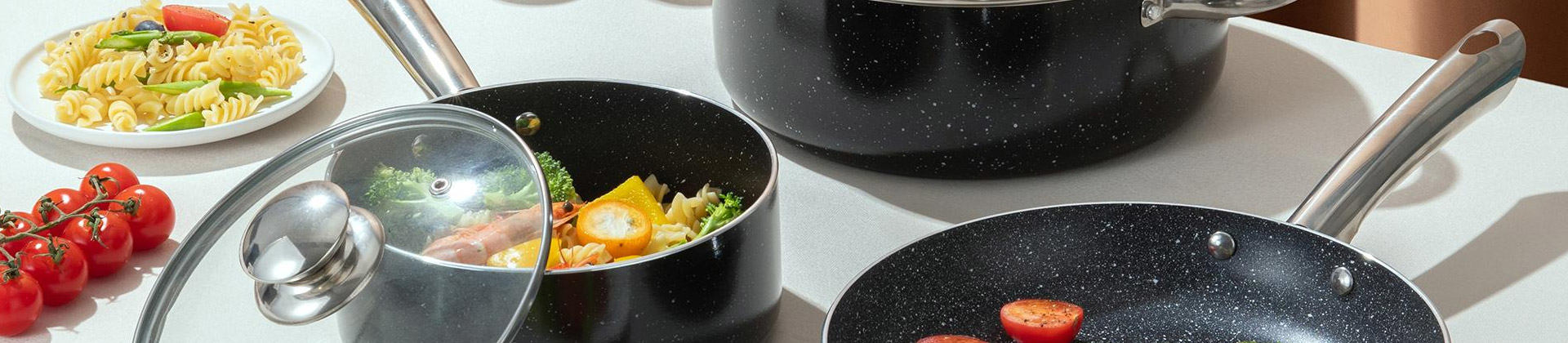
What Materials Matter in Professional Cookware
Apr 03, 2026
Kitchen professionals and home chefs alike know that the right tools elevate every dish. Whether you are outfitting a culinary school, a restaurant kitchen, or simply upgrading your home setup, choosing the right Professional Kitchen Cookware Supplier matters just as much as selecting the right piece itself. At Zhejiang Wantong Industry & Trade Co., Ltd., we’ve spent years refining how materials impact the performance of Cooking Pots And Pans so that cooks everywhere can understand the value behind each choice.
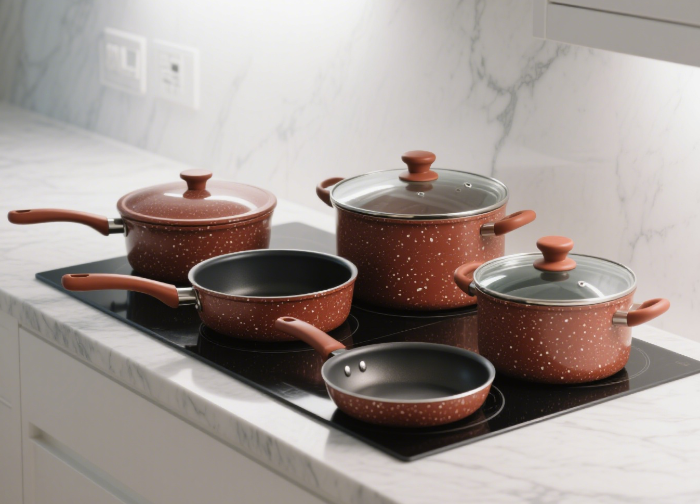
1. Stainless Steel: Reliable and Resilient
Stainless steel is widely used in professional cookware because of its balance of strength, safety, and ease of maintenance. Quality stainless steel typically contains:
- 18% chromium — for corrosion resistance
- 8–10% nickel — for shine and further rust protection
Unlike materials that react with acidic foods, stainless steel is non‑reactive, ensuring no metallic taste transfers to dishes like tomato sauces or citrus‑based broths.
Key Benefits
- Tough surface resists dents and scratches
- Works well with high heat
- Compatible with induction, gas, and electric cooktops
Chefs often appreciate stainless steel cookware with an aluminum or copper core, which compensates for stainless’s lower heat conductivity — improving responsiveness without sacrificing durability.
2. Aluminum: Lightweight and Fast Heating
Aluminum stands out for its nice heat conductivity — second only to copper among common cookware metals. Many Professional Kitchen Cookware Suppliers use anodized aluminum in Cooking Pots And Pans to improve hardness and resistance to oxidation.
What Makes Anodized Aluminum Special?
- Harder surface than raw aluminum
- More resistant to wear and scratches
- Retains heat evenly across the base
Because pure aluminum is reactive with certain foods, anodized versions are standard in higher‑quality cookware. This process seals the metal surface and boosts longevity.
Although aluminum on its own won’t last as long as stainless steel, products engineered with layered bases (aluminum core + stainless steel shell) combine the ideal of both worlds.
3. Cast Iron: Classic Heat Retention
Cast iron has a reputation that stands the test of time. True cast iron cooking pieces — like Dutch ovens and skillets — hold heat exceptionally well, making them ideal for slow‑cooking, searing, and dishes that require steady temperature control.
Technical Highlights
- Extremely high heat retention
- Excellent for browning and braising
- Compatible with ovens and grills
Modern versions often include enamel coatings to prevent rust and reduce maintenance demands. These coatings also provide a smoother surface for cooking and a broader range of aesthetic finishes.
Although cast iron is heavier than many materials, chefs value this weight — it promotes stable contact with heat sources and even cooking.
4. Copper: Fast Response, Precise Control
Professional chefs who prize precision heat control often turn to copper cookware. Copper reacts quickly to temperature adjustments, making it ideal for delicate sauces and tasks like tempering chocolate.
Why Copper Works Well
- Superior thermal conductivity
- Rapid warming and cooling response
- Excellent for temperature‑sensitive dishes
However, copper is reactive with acidic foods and requires careful maintenance. Many manufacturers offer copper cookware with a lined interior — often stainless steel — to create a safe and practical cooking surface.
5. Ceramic and Non‑Stick Coatings: Convenience Meets Performance
Non‑stick coatings — such as PTFE or ceramic — deliver convenience for everyday cooking tasks like eggs, pancakes, and delicate fish. While non‑stick surfaces are not ideal for high‑heat searing, they excel when low to medium heat and easy cleanup are priorities.
Ceramic coatings, in particular, are gaining popularity due to their perceived natural surface and absence of certain synthetic chemicals. These materials often pair with aluminum bases to maintain efficient heat distribution.
Material Selection: Match Use to Performance
Choosing the right cookware material depends on how you cook:
| Cooking Style | Ideal Material |
| High‑heat searing | Cast iron / Copper |
| Everyday simmering | Stainless steel |
| Precise sauces | Copper / Stainless core |
| Quick, low‑fat cooking | Non‑stick / Ceramic |
Understanding these materials helps cooks predict performance, lifespan, and care requirements. As a trusted Professional Kitchen Cookware Supplier, Zhejiang Wantong Industry & Trade Co., Ltd. helps kitchen professionals choose materials that align with culinary goals.
Share:
Related Products

Need Custom Cookware? OEM & ODM Experts – Contact Us Today!
-

0086-578-3183238
-

0086-13750930689
-

-

86-13750930689
https://www.pinterest.com/zhuohao2021/ -

No.3 Xinye Road, Jinyun Industrial Area, Zhejiang, China.
Copyright © Zhejiang Wantong Industry & Trade Co., Ltd.

OEM/ODM Kitchen Cookware Manufacturer