 0
0
 language
  English
 русский
 Français
 Español
 Português
 عربى
عربى
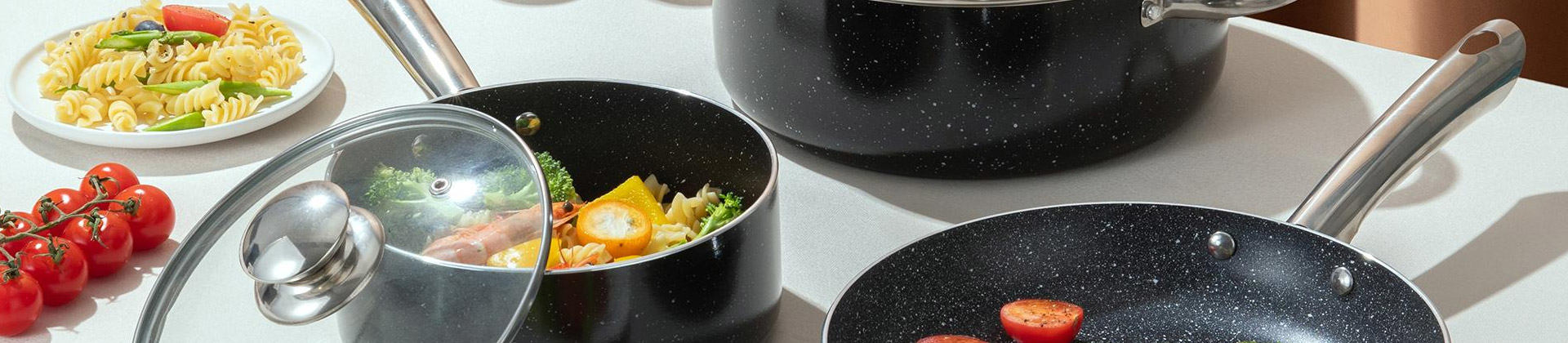
Is Aluminum Casserole Pot Safe for Acidic Foods
Mar 06, 2026
Cooking equipment plays an important role in food preparation across households and professional kitchens. Discussions around cookware materials often cause questions about aluminum. An Aluminum Casserole Pot Manufacturer may frequently receive inquiries regarding food safety, especially when preparing recipes containing tomatoes, vinegar, or citrus. At the same time, Commercial Aluminum Pots continue to appear in restaurants and catering environments due to their practical cooking performance.
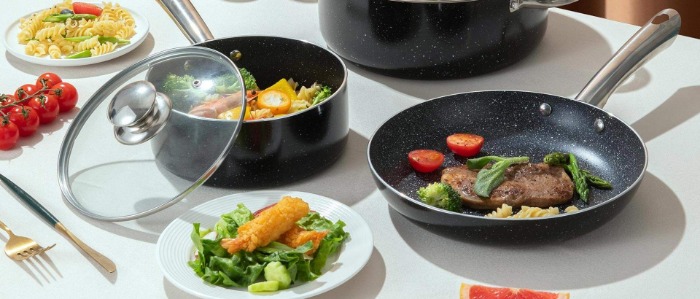
Why Aluminum Cookware Is Widely Used
Aluminum has been used in cookware for decades because it provides several practical advantages. Compared with many other metals, aluminum conducts heat efficiently, allowing food to cook evenly across the base and walls of a pot.
Common reasons kitchens choose aluminum cookware include:
Fast heat distribution that reduces hot spots
Relatively lightweight construction, making large pots easier to handle
Cost-effective manufacturing, which supports large-scale food preparation
Compatibility with gas and electric cooktops
These characteristics explain why Commercial Aluminum Pots are frequently found in restaurant kitchens, canteens, and catering operations. Large-capacity aluminum casseroles allow chefs to prepare soups, stews, sauces, and grains efficiently.
Manufacturers such as Zhejiang Wantong Industry & Trade Co., Ltd. design aluminum cookware to meet the daily demands of professional kitchens where durability and thermal efficiency are essential.
Understanding the Reaction Between Aluminum and Acidic Foods
Concerns about aluminum cookware usually arise when acidic ingredients are involved. Foods like tomatoes, citrus, berries, and vinegar contain natural acids that can interact with aluminum surfaces.
Key effects observed during this reaction include:
Slight metallic flavor changes in food
Discoloration or pitting on cookware surfaces
Small amounts of aluminum transferring into the food
Scientific explanations show that acidic or salty ingredients can break down the protective oxide layer on aluminum cookware, increasing the chance of this reaction.
Examples of foods commonly mentioned in safety guidelines include:
Tomato-based sauces
Lemon or citrus dishes
Vinegar-based marinades
Pickled foods
These reactions are generally related to bare aluminum surfaces rather than treated or coated cookware.
How Modern Aluminum Cookware Reduces These Concerns
Advances in manufacturing have improved aluminum cookware significantly. Modern cookware often includes surface treatments designed to reduce chemical reactivity.
Common improvements include:
1. Anodized Aluminum Surfaces
Anodizing creates a hardened oxide layer on aluminum cookware. This layer helps reduce chemical reactions with acidic ingredients while also improving scratch resistance.
2. Protective Coatings
Some aluminum casserole pots feature interior coatings that separate food from the base metal. These coatings provide an additional barrier against acidic reactions.
3. Improved Alloy Formulations
Manufacturers refine aluminum alloys to increase durability and stability during cooking.
Because of these developments, products supplied by an experienced Aluminum Casserole Pot Manufacturer are often designed with food safety and long-term durability in mind.
Practical Cooking Tips When Using Aluminum Pots
Proper usage also plays an important role in maintaining cookware performance. Chefs and cooking professionals commonly follow several practical guidelines.
Recommended practices include:
Avoid long simmering of highly acidic sauces in bare aluminum pots
Add salt toward the end of cooking rather than at the beginning
Use wooden or silicone utensils to prevent scratching the surface
Clean cookware gently to maintain the natural protective layer
Following these simple habits helps maintain the condition of aluminum cookware while preserving the flavor of prepared dishes.
Why Commercial Kitchens Continue Using Aluminum Pots
Despite occasional concerns, aluminum cookware remains common in professional kitchens. Several operational advantages explain this continued use.
Restaurant environments value cookware that offers:
Efficient heat transfer for high-volume cooking
Large-capacity designs suitable for bulk food preparation
Lightweight construction for easier handling
Cost-effective replacement and maintenance
Large Commercial Aluminum Pots are particularly useful for preparing soups, sauces, noodles, and stews in catering services and institutional kitchens.
A Balanced Perspective on Aluminum Cookware
Understanding how aluminum interacts with certain foods helps cooks make informed choices. The cookware itself is widely considered safe for regular use when used appropriately, though acidic ingredients may cause reactions in untreated aluminum surfaces.
Modern manufacturing techniques and improved cookware design continue to reduce these concerns. Companies such as Zhejiang Wantong Industry & Trade Co., Ltd. focus on producing aluminum cookware that supports both durability and safe cooking practices.
Selecting the right cookware for different recipes—and understanding how materials behave—helps ensure reliable cooking results in both home kitchens and commercial food preparation environments.
Share:
Related Products

Need Custom Cookware? OEM & ODM Experts – Contact Us Today!
-

0086-578-3183238
-

0086-13750930689
-

-

86-13750930689
https://www.pinterest.com/zhuohao2021/ -

No.3 Xinye Road, Jinyun Industrial Area, Zhejiang, China.
Copyright © Zhejiang Wantong Industry & Trade Co., Ltd.

OEM/ODM Kitchen Cookware Manufacturer