 0
0
 language
  English
 русский
 Français
 Español
 Português
 عربى
عربى
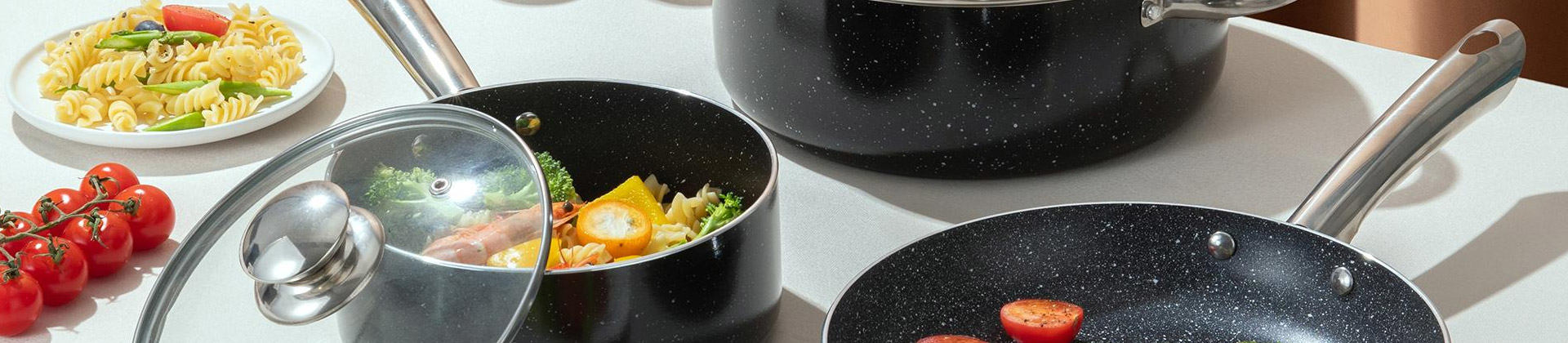
Why Does Aluminum Cookware Lifespan Matter
Feb 26, 2026
Aluminum cookware plays a major role in kitchens around the world, but many buyers and home cooks are now asking: Why does aluminum cookware matter when choosing a Wholesale Cookware Supplier? The answer goes beyond simple durability — it touches on cost, safety, performance, and customer satisfaction. For Aluminum Cookware Manufacturer such as Zhejiang Wantong Industry & Trade Co., Ltd., understanding and communicating cookware longevity helps partners make smarter procurement decisions while reducing waste and long-term costs.
The expected life of aluminum cookware significantly influences buyer expectations, especially in markets where bulk purchases are common. Unlike some heavier materials such as stainless steel or cast iron, aluminum and its coated variants (especially non-stick surfaces) have lifespans that vary greatly based on use, care, and material quality.
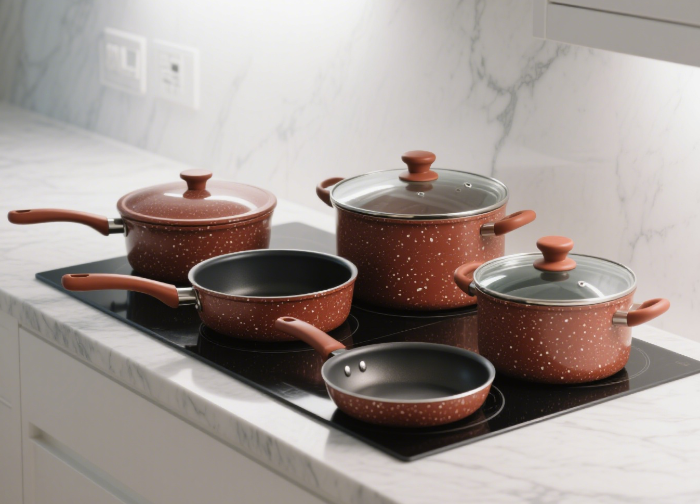
Typical Lifespan of Aluminum Cookware
According to industry reviews and long-term user feedback, the lifespan of aluminum cookware depends on several factors:
- Type of aluminum construction:
Bare aluminum or basic non-coated pans often last only 1–2 years under regular use before warping or showing surface wear. Mid-range non-stick aluminum cookware typically provides around 3–5 years of reliable performance with careful use. Premium hard-anodized aluminum cookware—without non-stick coating—can often last 10–15 years or more thanks to its reinforced surface structure.
- Coating quality and maintenance:
Non-stick coatings are usually the initial part of any pan to show signs of wear. When the coating begins to peel or scratch, it not only affects cooking performance but also shortens overall useful life.
- Usage patterns:
Frequent cooking at high heat, heavy utensils, or dishwasher cleaning accelerates coating breakdown or warping — all of which reduce a pan’s effective lifespan.
Overall, many kitchen professionals and frequent cooks consider 3–5 years a reasonable lifespan for non-stick aluminum pans with regular cooking, while heavy-duty hard-anodized pieces often last much longer.
Why Lifespan Influences Buyer Choices
Understanding the expected lifespan matters for several procurement and usage reasons:
1. Cost-of-Ownership Over Time
A pan that needs replacement every two years can cost more in the long run compared to a higher-quality piece that lasts a decade. For bulk buyers sourcing from a Wholesale Cookware Supplier, calculating total cost of ownership rather than unit price can cause to smarter purchasing strategies — especially in commercial kitchens where wear is rapid.
2. Safety and Performance Consistency
As cookware ages, surface coatings or structural integrity can degrade. Older or worn cookware may develop warping, uneven heat distribution, or coating flaking, raising safety concerns during food preparation.
3. Maintenance Expectations
Lifespan also drives expectations for care and maintenance. Buyers who understand that aluminum requires gentler handling — such as avoiding metal utensils, rapid temperature shifts, or dishwasher cleaning — are less likely to experience premature wear.
4. Sustainability and Sustainability Goals
Frequent replacement not only impacts budgets but also contributes to environmental waste. Although aluminum itself is highly recyclable, cookware with worn coatings or mixed materials may be harder to recycle effectively, affecting sustainability goals in corporate or institutional procurement.
Common Signs It’s Time to Replace Aluminum Cookware
Many cooks and buyers base replacement decisions not just on age, but on visible wear and functional changes. Some common replacement indicators include:
Peeling or flaking non-stick coatings, making food stick and creating cleaning challenges.
Warping or misshapen bases, causing to uneven heat distribution or hot spots.
Loose handles or compromised structural integrity, which pose safety hazards.
Persistent sticking or performance loss, even with proper care and seasoning.
These signs matter both for home users and commercial buyers, where operational reliability and safety are priorities.
Balancing Durability with Practical Usage
While lifetime warranties or marketing claims may promise long service life, realistic expectations are shaped by material science and everyday use. As one global review notes, non-stick aluminum coatings typically wear down with use — a natural process that defines when replacement becomes sensible rather than optional.
Care practices, such as using wooden or silicone utensils, avoiding high temperatures, and handwashing, can significantly extend lifespan.
Lifespan Matters Across the Supply Chain
For anyone evaluating cookware procurement, particularly from a Wholesale Cookware Supplier or Aluminum Cookware Manufacturer, understanding lifespan goes beyond durability claims. It influences cost planning, safety standards, user satisfaction, and environmental impact. Partnering with experienced manufacturers like Zhejiang Wantong Industry & Trade Co., Ltd. — who understand material performance and end-use realities — helps buyers align product expectations with real world outcomes.
Lifespan isn’t merely an attribute — it’s a strategic consideration for buyers, chefs, and supply chain teams alike.
Share:
Related Products

Need Custom Cookware? OEM & ODM Experts – Contact Us Today!
-

0086-578-3183238
-

0086-13750930689
-

-

86-13750930689
https://www.pinterest.com/zhuohao2021/ -

No.3 Xinye Road, Jinyun Industrial Area, Zhejiang, China.
Copyright © Zhejiang Wantong Industry & Trade Co., Ltd.

OEM/ODM Kitchen Cookware Manufacturer