 0
0
 language
  English
 русский
 Français
 Español
 Português
 عربى
عربى
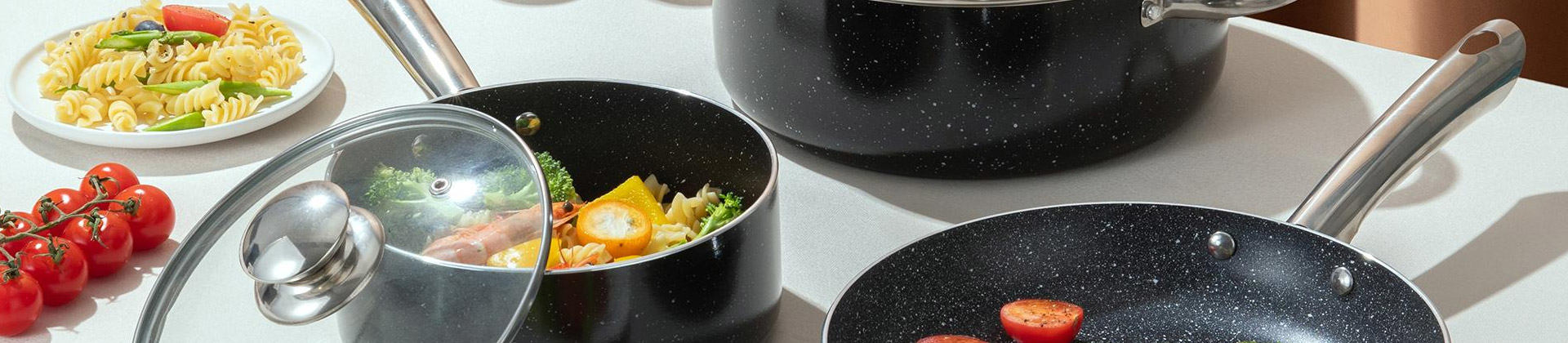
How Long Do Non-Stick Pans Last Commercially
May 29, 2026
Non-stick cookware remains a core category in food service operations because of its speed, low-fat cooking performance, and easy cleaning. In commercial kitchens, the demand for durable coating performance is much higher than in home use, especially when paired with high-output equipment and continuous cooking cycles. Products such as Wholesale Frying Pan and Wholesale Stockpot are commonly selected for restaurants, catering services, and hotel kitchens where replacement cost and downtime directly affect operations.
Our company has been manufacturing commercial-grade cookware with reinforced non-stick systems designed for extended service life under heavy-use conditions.
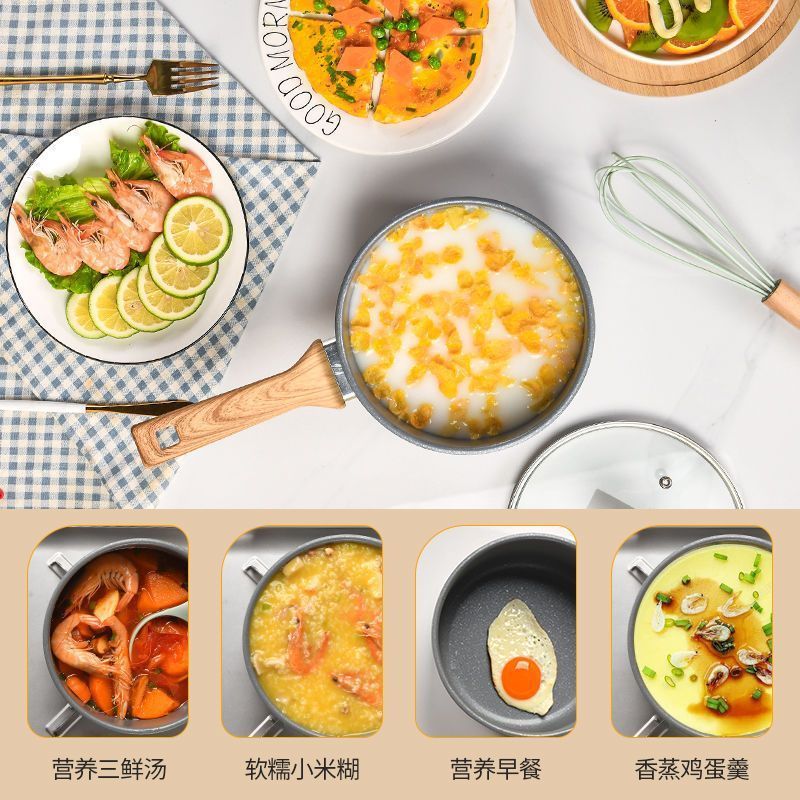
1. Commercial lifespan expectations of non-stick pans
- Typical PTFE non-stick pans last around 1–5 years, depending on coating quality and usage intensity
- Ceramic-coated surfaces often degrade faster, commonly 1–3 years under frequent heating cycles
- Reinforced multi-layer coatings in commercial cookware can extend usable life toward the upper end of the range
- Continuous restaurant use reduces lifespan due to constant heating, abrasion, and cleaning chemicals
Commercial kitchens rarely evaluate cookware by appearance alone; performance decline (food sticking, uneven browning) determines replacement timing.
2. Key technical factors affecting durability
- Coating thickness: multi-layer PTFE systems (2–5 layers) improve scratch resistance
- Base material: aluminum alloy (3.0–6.0 mm thickness) improves heat distribution and reduces hot spots
- Surface reinforcement: titanium or mineral reinforcement reduces abrasion damage
- Maximum heat tolerance: safe operating range typically up to 260°C–280°C, beyond which polymer breakdown accelerates
- Surface roughness: lower Ra values improve initial non-stick performance but may wear faster under abrasive cleaning
These parameters directly influence how long a commercial pan maintains stable performance.
3. Operational habits in commercial kitchens
- High flame or induction power accelerates coating degradation
- Metal utensils significantly shorten lifespan by micro-scratching the surface
- Dishwasher detergents increase chemical wear on coatings
- Rapid temperature changes (hot pan → cold water) cause micro-cracks
- Continuous cooking cycles in catering environments increase fatigue stress
Even premium coatings degrade faster under aggressive restaurant workflows compared to controlled home cooking.
4. Wholesale cookware strategy for businesses
Commercial buyers often balance cost per use rather than upfront price:
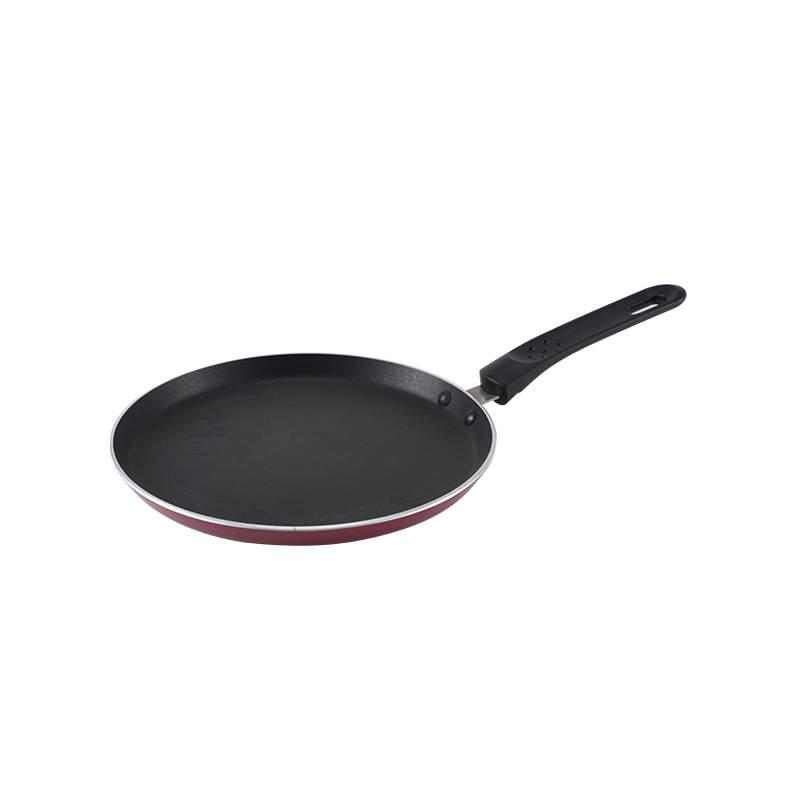
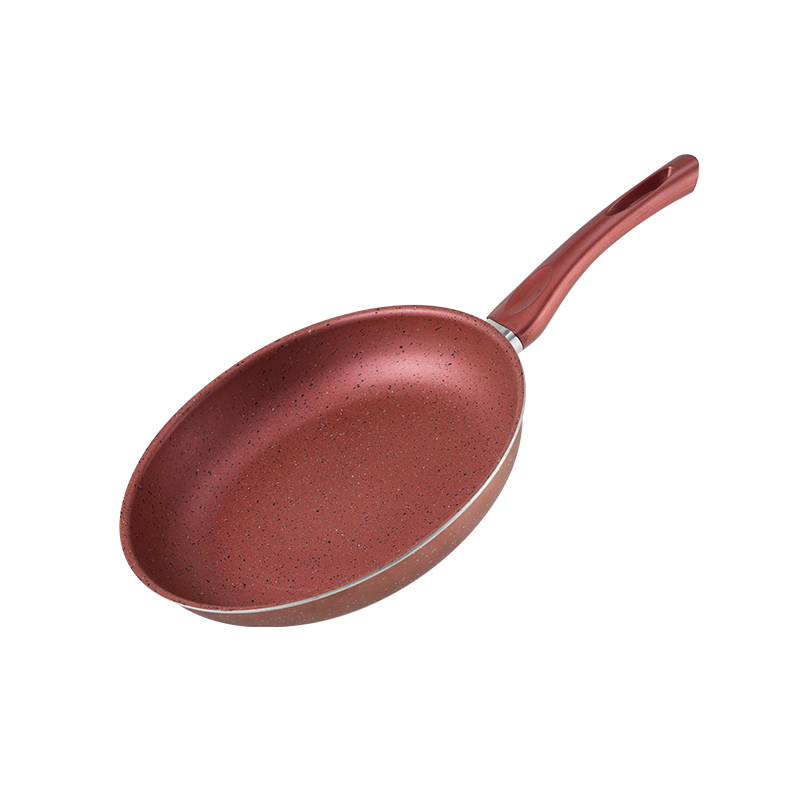
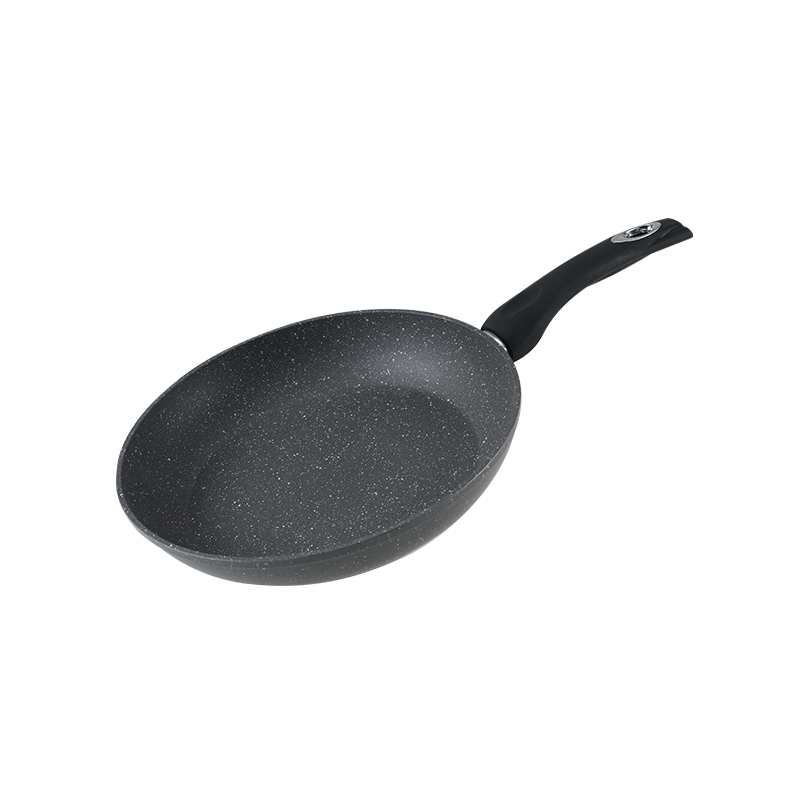
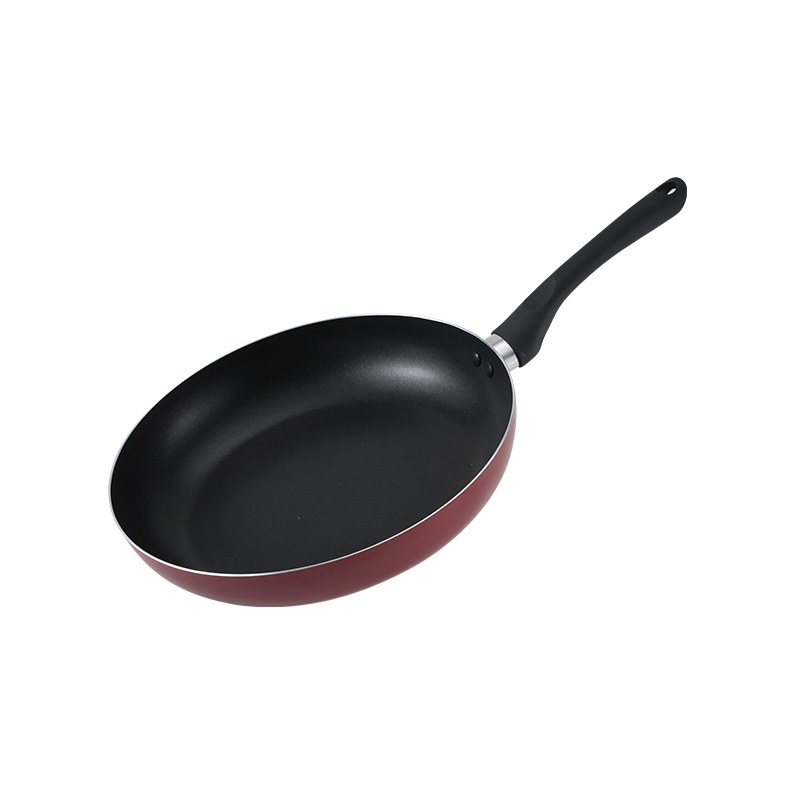
- Wholesale Frying Pan lines are preferred for eggs, pancakes, and light sauté applications
- Wholesale Stockpot models are used for soups, sauces, and boiling tasks where coating stress is lower
- Rotational replacement systems are used in kitchens to extend overall service life
- Standard procurement cycles range from 6 to 24 months depending on usage intensity
Our company supports bulk supply with consistent coating standards to help distributors and food service buyers stabilize long-term kitchen costs.
5. Common failure signs in commercial use
- Food begins sticking despite proper oil usage
- Surface becomes dull, matte, or uneven
- Localized peeling or flaking near rivets and edges
- Increased cooking time due to poor heat transfer
- Difficulty in cleaning even with non-abrasive sponges
Once these symptoms appear, performance degradation becomes irreversible.
6. Engineering improvements used in modern coatings
- Reinforced PTFE layers improve abrasion resistance
- Sandblasted or pre-treated aluminum surfaces enhance coating adhesion
- Multi-stage curing processes improve coating bonding strength
- Non-stick primers increase resistance against chemical cleaners
- Improved rivet sealing reduces edge wear points
These upgrades are designed specifically for commercial environments rather than home kitchens.
7. Maintenance practices that extend lifespan
- Use silicone or wooden utensils instead of metal tools
- Maintain medium heat rather than high continuous flame
- Hand wash with mild detergent instead of aggressive chemicals
- Dry immediately after washing to prevent oxidation at exposed edges
- Store with protective separators to avoid surface scratching
Proper maintenance can extend usable life by up to 30–50% in many kitchen environments.
Share:
Related Products

Need Custom Cookware? OEM & ODM Experts – Contact Us Today!
-

0086-578-3183238
-

0086-13750930689
-

-

86-13750930689
https://www.pinterest.com/zhuohao2021/ -

No.3 Xinye Road, Jinyun Industrial Area, Zhejiang, China.
Copyright © Zhejiang Wantong Industry & Trade Co., Ltd.

OEM/ODM Kitchen Cookware Manufacturer