 0
0
 language
  English
 русский
 Français
 Español
 Português
 عربى
عربى
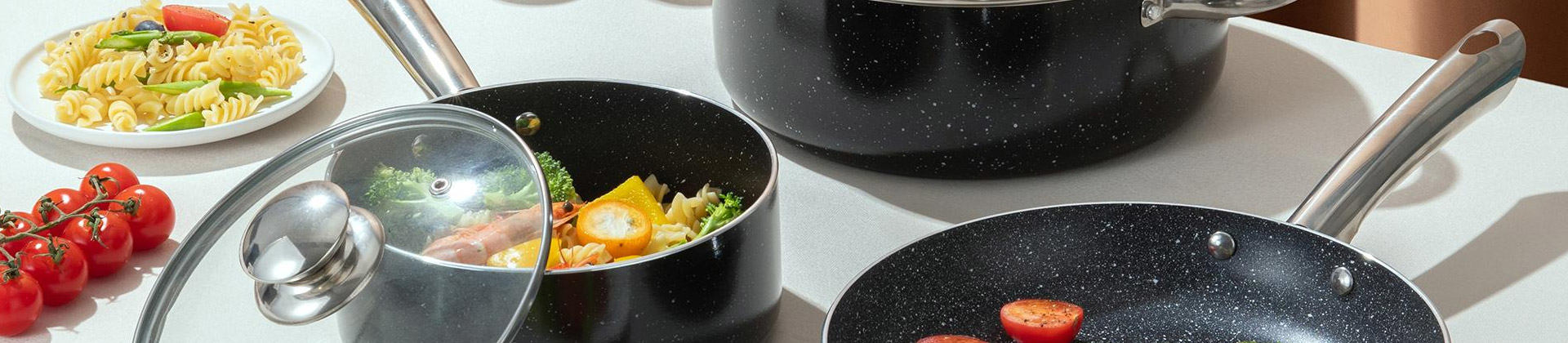
Small Saucepan with Lid: Practical Design Features for Everyday Cooking
Oct 09, 2026
A well-designed Small Saucepan with Lid can make everyday cooking more convenient, whether preparing a quick breakfast, warming soup, simmering sauces, or cooking small portions of grains. As kitchen spaces become more function-focused, buyers are paying closer attention to cookware that combines compact dimensions with reliable performance. For retailers, distributors, and kitchenware importers, understanding the details behind saucepan construction helps identify products that meet real household needs while supporting long-term customer satisfaction.
Compact Capacity for Everyday Meals
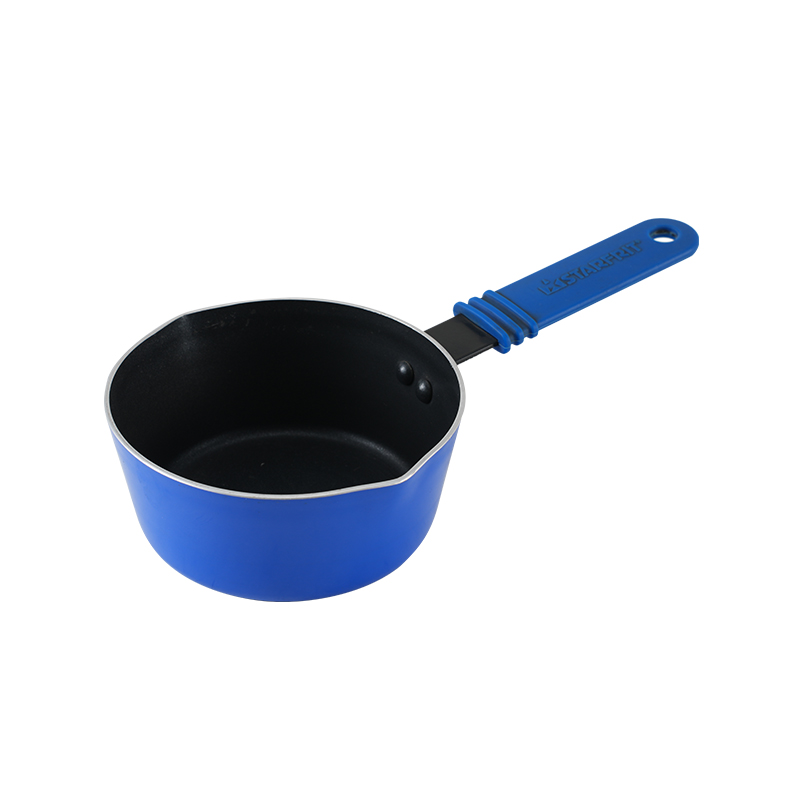
A small saucepan is particularly useful for individuals, couples, and households that prepare several dishes in modest quantities. Its compact design helps reduce unnecessary cookware use when heating milk, preparing oatmeal, boiling eggs, or making a simple pasta sauce. Choosing the right capacity is essential: a pan that is too small may overflow, while an oversized model can waste space and make portion control less convenient.
As a manufacturer, we recommend evaluating internal capacity alongside the pan's diameter and depth. Buyers should consider common cooking tasks, intended serving sizes, and storage requirements rather than relying on external dimensions alone.
Matching Materials to Cooking Requirements
The material of a saucepan influences heating behavior, durability, weight, and maintenance. Stainless steel is valued for its corrosion resistance and straightforward care, while aluminum offers relatively lightweight construction and efficient heat transfer. Nonstick-coated models can simplify the preparation of sticky sauces and reduce cleaning effort when used according to the manufacturer's instructions.
For product sourcing, buyers should compare material specifications, base construction, surface finish, and intended cooking applications. A well-matched material can help reduce complaints associated with uneven heating, difficult cleaning, or premature surface deterioration.
A Well-Fitting Lid Helps Retain Heat
The lid is more than an accessory. A properly fitted lid helps retain heat and moisture, making it useful when simmering sauces, reheating leftovers, or cooking grains. A loose-fitting lid may allow excessive steam to escape, while a poorly designed handle can make routine lifting uncomfortable.
When assessing a saucepan with a lid, procurement teams should examine:
- Fit and stability: The lid should sit securely on the rim without excessive movement.
- Handle design: The lid knob should provide a practical grip during normal use.
- Material compatibility: Glass and metal lids offer different visibility, weight, and handling characteristics.
- Cleaning access: Simple shapes and accessible joints can make residue easier to remove.
These details are especially relevant when comparing similar products for retail collections or private-label programs.
Induction Compatibility Requires Attention
Induction cooking remains an important consideration in cookware selection, but not every saucepan works with every heat source. Compatibility depends on the pan's base construction and magnetic properties, not simply its exterior appearance.
Buyers sourcing a small saucepan for induction cooktop use should confirm the manufacturer's stated compatibility and check the base design before placing bulk orders. Gas, electric, ceramic, and induction cooktops may impose different requirements. Clear product specifications help retailers communicate these distinctions accurately and reduce avoidable returns.
Easy Cleaning Starts with the Right Care
Food residue and discoloration can affect the user experience, particularly when a saucepan is used frequently. Appropriate care depends on the material and surface treatment. Nonstick cookware generally benefits from moderate heat, non-abrasive cleaning tools, and utensils that will not damage its coating. Stainless steel may require soaking or suitable cleaning products when food becomes stuck.
Manufacturers should provide clear care instructions rather than assuming every model is dishwasher-safe. Buyers should verify dishwasher suitability, coating limitations, and cleaning recommendations before publishing product descriptions or packaging claims.
Manufacturing Details That Support Consistent Quality
For wholesale buyers, appearance alone is not enough to establish product quality. Consistent dimensions, secure handle attachment, a stable base, smooth finishing, and reliable lid fit all contribute to everyday usability. These features also influence inspection procedures and the consistency of products delivered across production batches.
Our manufacturing approach focuses on matching construction details to the intended application and agreed specifications. During supplier evaluation, buyers can request material information, dimensional drawings, available customization options, and relevant quality inspection records. This creates a clearer basis for comparing suppliers and establishing purchasing expectations.
Choosing a Suitable Model for Your Market
A successful saucepan range should reflect local cooking habits, preferred materials, available storage space, and the cookware features customers value most. Retailers may prioritize compact storage and easy cleaning, while distributors serving different price segments may require several material and capacity options.
When evaluating a Small Saucepan with Lid, buyers should look beyond the purchase price and consider product specifications, compatibility, maintenance requirements, packaging, and supplier consistency. A carefully selected saucepan can offer practical everyday value while helping businesses build a cookware range that responds to genuine customer needs.
Share:
Related Products

Need Custom Cookware? OEM & ODM Experts – Contact Us Today!
-

0086-578-3183238
-

0086-13750930689
-

-

86-13750930689
https://www.pinterest.com/zhuohao2021/ -

No.3 Xinye Road, Jinyun Industrial Area, Zhejiang, China.
Copyright © Zhejiang Wantong Industry & Trade Co., Ltd.

OEM/ODM Kitchen Cookware Manufacturer