 0
0
 language
  English
 русский
 Français
 Español
 Português
 عربى
عربى

Non-Stick Cookware Wholesale Trends Shift Toward Safer, Easier-to-Manage Product Lines
Oct 02, 2026
Non-Stick Cookware Wholesale is moving toward a more practical product development approach as overseas buyers look beyond basic food-release performance. Retailers, kitchenware distributors, and foodservice suppliers are paying closer attention to coating materials, cleaning convenience, induction compatibility, storage efficiency, and production consistency. Growing discussion around PFAS and cookware safety is also encouraging buyers to request clearer material information and compliance documentation before placing wholesale orders.
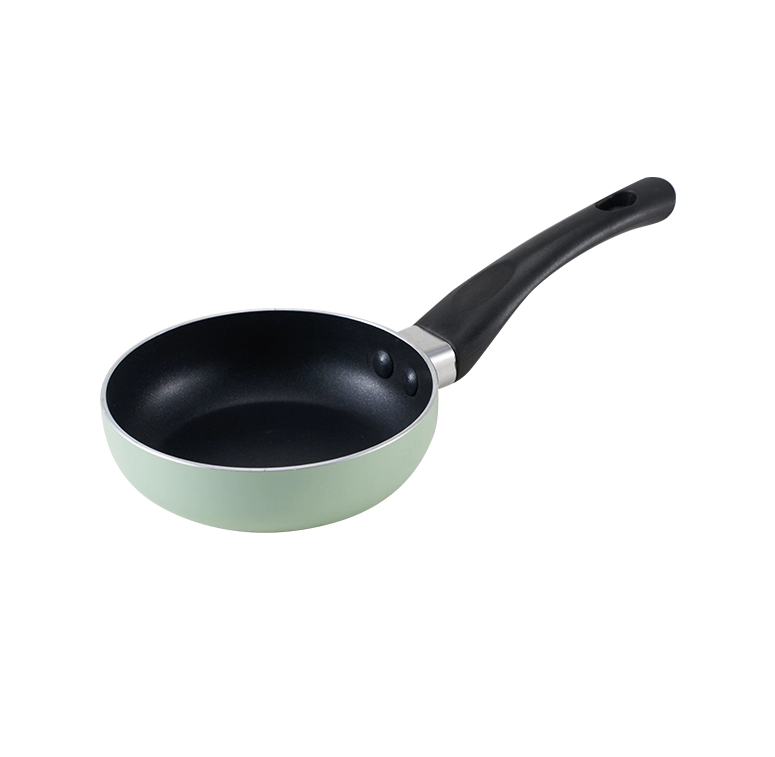
Coating Selection Becomes a Key Sourcing Point
For cookware buyers, the coating now affects both product positioning and market compliance. Different regions can apply different requirements to restricted substances, labeling, and product testing, so manufacturers need to provide clear information about the coating system used in each cookware series. Instead of relying on broad marketing claims, buyers can request material declarations, relevant test documentation, and coating specifications during product development. This creates a clearer foundation for private-label and wholesale programs.
PFAS Awareness Influences Product Development
Growing regulatory attention to PFAS is becoming part of cookware sourcing discussions in several overseas markets. Some jurisdictions have introduced restrictions concerning intentionally added PFAS in cookware, while regulatory discussions in other regions continue to develop. For international buyers, checking coating composition before production can help avoid unnecessary changes later. Manufacturers can support this process by confirming the coating type, applicable testing requirements, and intended market during the quotation and sampling stages.
Ceramic Coatings Create Another Product Direction
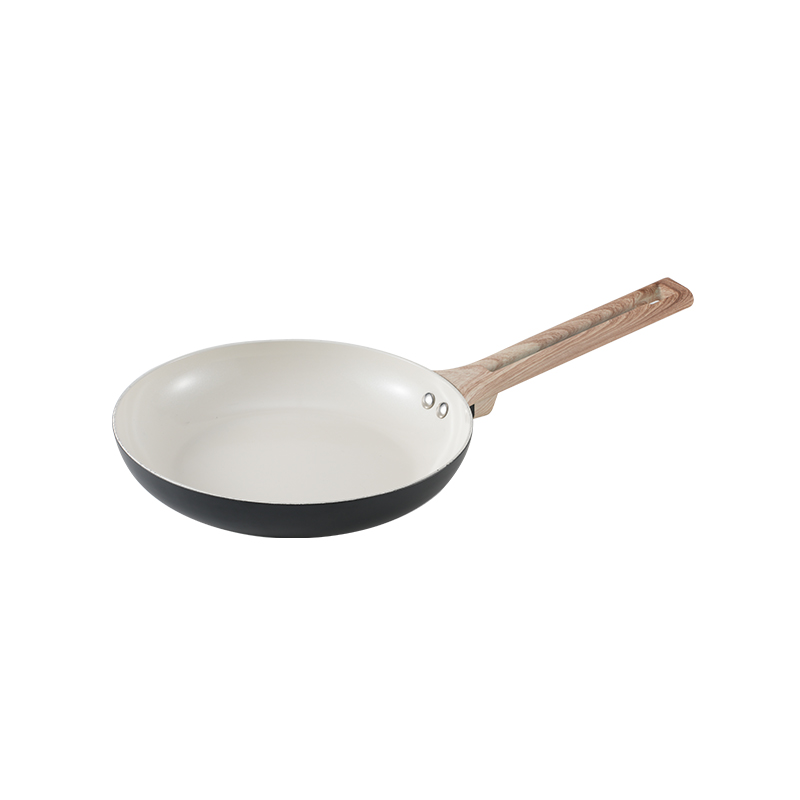
Ceramic-coated cookware continues to attract attention from brands looking for alternatives within the non-stick category. The appeal comes from the combination of easy food release, simple cleaning, and a different product positioning compared with conventional non-stick surfaces. However, buyers should assess the complete coating system rather than selecting products based only on the word “ceramic.” Cooking temperature, cookware body, intended usage, maintenance instructions, and coating durability should all be considered before adding a ceramic range to a wholesale catalog.
Cookware Construction Still Matters
A non-stick surface is only one part of cookware performance. The cookware body, base structure, handle connection, edge treatment, and overall weight can influence how the product performs in everyday kitchens. From a manufacturing perspective, these components need to work together. Suitable construction can support more even heating and comfortable handling, while consistent production processes help reduce differences between samples and bulk orders. This is especially important for distributors selling cookware under their own brands.
Easy Cleaning Supports Product Differentiation
Cleaning convenience remains a practical concern for both consumers and commercial buyers. Smooth interior surfaces can make routine cleaning easier, while stackable cookware and space-conscious designs can help address storage limitations in smaller kitchens. Wholesale buyers can also consider how product shape and packaging affect shelf presentation and shipping efficiency. Rather than adding unnecessary features, manufacturers can focus on improvements that directly support everyday cooking and handling.
OEM Projects Need a Clear Product Brief
A well-defined product brief can make OEM cookware development more efficient. Before sampling begins, buyers should clarify the target market, cookware body material, preferred coating, compatible cooktops, handle design, packaging requirements, and testing expectations. Manufacturers can use this information to evaluate production processes, tooling requirements, sample development, and quality-control procedures. Clear specifications also reduce the risk of repeated modifications when the project moves from sample approval to bulk manufacturing.
Building a Practical Wholesale Cookware Range
For overseas distributors, a flexible cookware portfolio can include different pan shapes, coating systems, handle designs, and packaging formats based on specific market requirements. The focus should be on creating useful product combinations rather than expanding a catalog without a clear purpose. As buyers place greater emphasis on material transparency, maintenance, compatibility, and consistent manufacturing, choosing an experienced production partner can make Non-Stick Cookware Wholesale projects easier to manage from product development through bulk supply.
Share:
Related Products
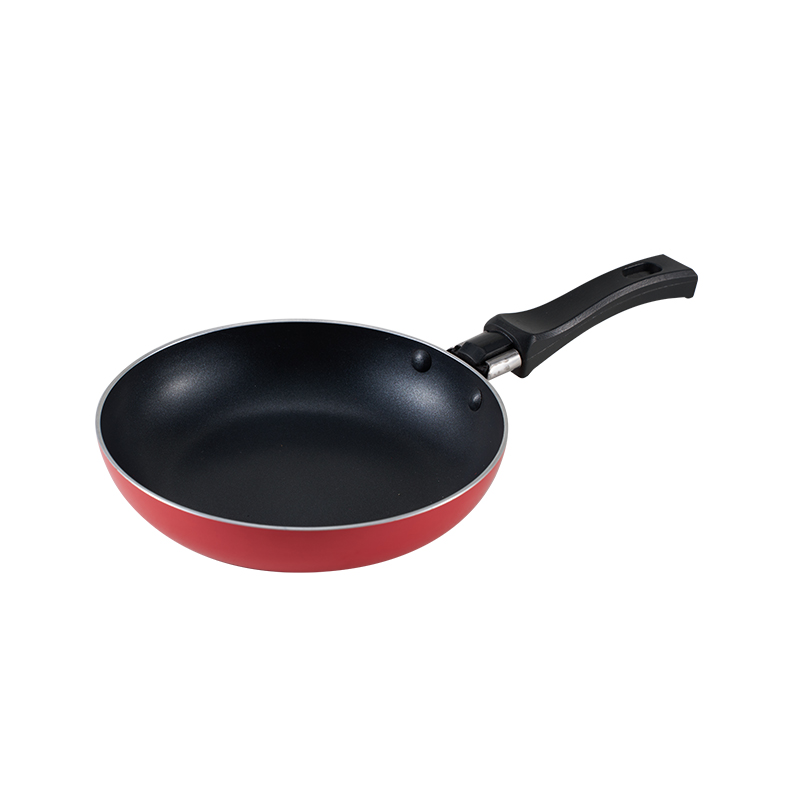
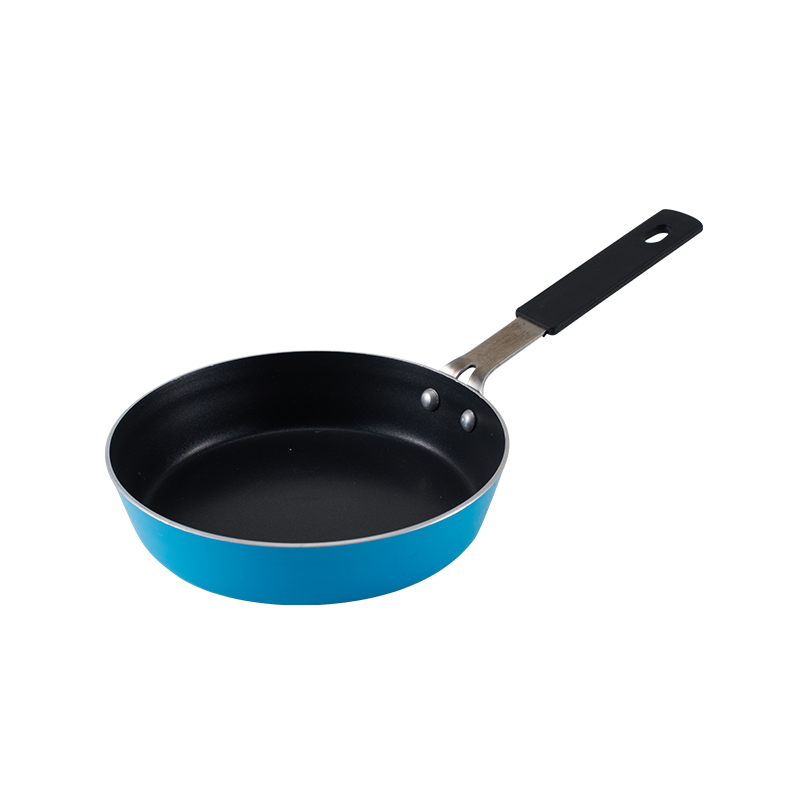
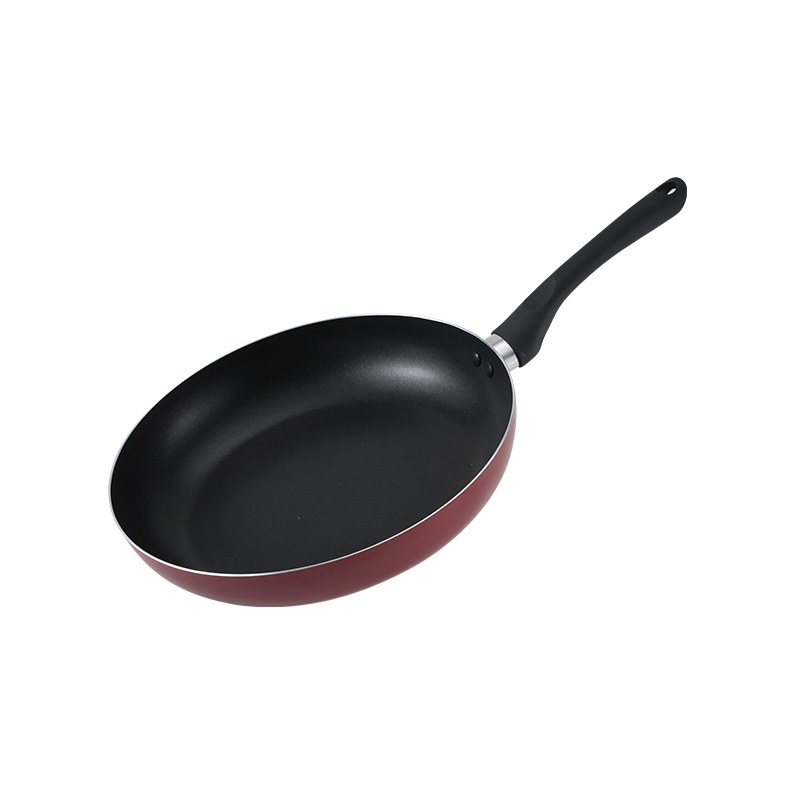

Need Custom Cookware? OEM & ODM Experts – Contact Us Today!
-

0086-578-3183238
-

0086-13750930689
-

-

86-13750930689
https://www.pinterest.com/zhuohao2021/ -

No.3 Xinye Road, Jinyun Industrial Area, Zhejiang, China.
Copyright © Zhejiang Wantong Industry & Trade Co., Ltd.

OEM/ODM Kitchen Cookware Manufacturer