 0
 language
 English
 русский
 Français
 Español
 Português
 عربى

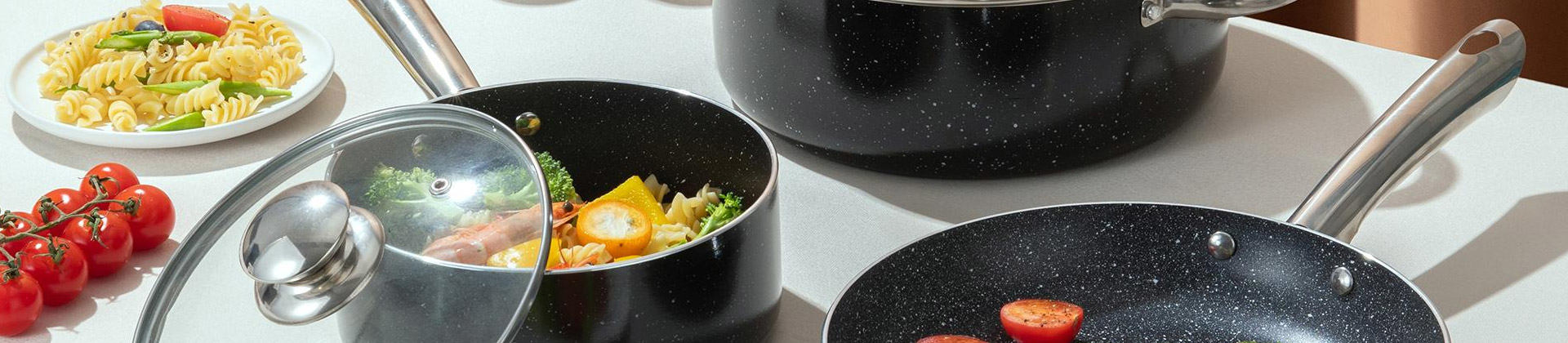
Small Saucepan with Lid: Key Features for Space-Saving Kitchenware Collections
Oct 23, 2026
A Small Saucepan with Lid offers a practical solution for kitchens where storage space, portion control, and everyday convenience matter. From preparing breakfast to heating sauces and cooking side dishes, compact cookware serves a wide range of household needs. For overseas retailers, importers, and kitchenware distributors, the challenge is finding products that combine useful capacity, durable construction, and an appealing design. Evaluating these details carefully can help businesses build cookware collections that suit modern kitchens without adding unnecessary complexity.
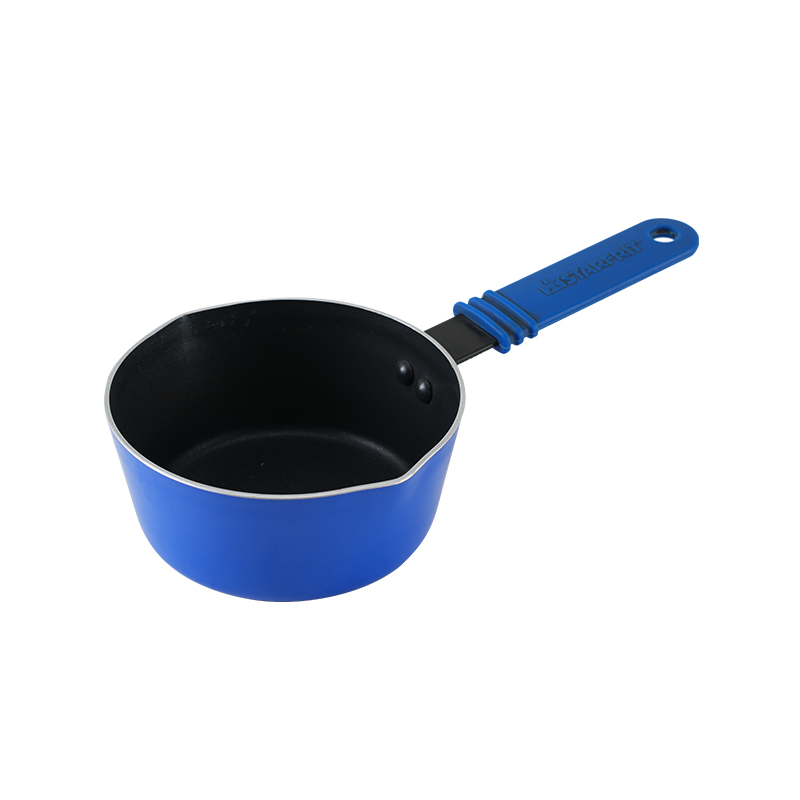
A Compact Shape for Everyday Use
Smaller cookware is useful for preparing individual meals and handling cooking tasks that do not require a large pot. Its compact footprint can also make storage easier in apartments, small kitchens, and households with limited cabinet space.
However, compact dimensions should not come at the expense of usability. Buyers should assess the relationship between the saucepan's diameter, depth, and internal capacity. A narrow, deep pan may suit liquids, while a wider design can provide more room for stirring sauces. Matching these proportions to common cooking applications helps retailers select models with clear practical benefits.
Base Construction and Heating Performance
The saucepan base plays an important role in how heat reaches the food. Uneven heating may cause ingredients to cook inconsistently, particularly when preparing thick sauces or foods that require regular stirring.
Stainless steel saucepans with layered bases may combine structural strength with improved heat distribution, while aluminum construction offers efficient heat transfer and relatively low weight. Neither material automatically guarantees performance; the overall design, thickness, and compatibility with the cooktop also matter.
For procurement teams, requesting material specifications and evaluating product samples can provide a more reliable basis for comparison than relying on exterior appearance alone.
Practical Lid Features for Daily Cooking
The lid influences how conveniently users can simmer food, retain moisture, and monitor cooking progress. A transparent glass lid makes it easier to check the contents without lifting the cover, while a stainless steel lid may appeal to buyers seeking a coordinated metal finish.
Before selecting a model, examine the lid's fit, handle attachment, and cleaning requirements. The knob should be comfortable to grip, and the lid should be easy to remove under normal operating conditions. These details may seem minor during initial inspection, but they can have a noticeable effect on daily use.
Handle Design and Safe Handling
A well-positioned handle helps users lift, move, and pour from a saucepan with greater control. Its length, shape, material, and attachment method all influence the overall handling experience.
When evaluating a small saucepan with lid for everyday cooking, buyers should consider the following features:
- A comfortable grip that supports controlled handling.
- Adequate clearance between the handle and the heated pan body.
- Secure attachment points designed for repeated normal use.
- Clear instructions covering heat exposure, oven suitability, and maintenance.
Handle performance should be assessed alongside the saucepan's weight and balance, especially for products intended for frequent household use.
Easy-Care Surfaces and Long-Term Appearance
Cookware that is straightforward to clean can be attractive to consumers who cook regularly but want to minimize post-meal effort. Smooth stainless steel interiors and suitable nonstick coatings offer different advantages depending on the food being prepared and the user's maintenance preferences.
For coated cookware, appropriate utensils and non-abrasive cleaning methods help protect the surface. Stainless steel may require soaking or a suitable cleaner when residue becomes stubborn. Buyers should also confirm whether each model is dishwasher-safe before including that claim in product listings or packaging.
Clear care guidance helps retailers set realistic expectations and supports a better customer experience after purchase.
Product Consistency for Wholesale Buyers
For importers and private-label brands, a good sample is only one part of the sourcing process. Repeat orders should maintain agreed specifications for dimensions, materials, finish, handle assembly, and lid fit.
As a manufacturer, we recommend establishing inspection criteria before production begins. Buyers can request sample approval, relevant material documentation, packaging details, and quality inspection records appropriate to the product. For customized orders, confirming artwork, labeling, and carton specifications in advance can also reduce misunderstandings during production and shipment preparation.
Building a More Competitive Cookware Range
A well-planned cookware collection should reflect the needs of its target market. Some customers prioritize lightweight construction and compact storage, while others prefer stainless steel finishes, induction compatibility, or coordinated kitchen accessories.
When sourcing a Small Saucepan with Lid, distributors should compare practical capacity, heating performance, lid design, handle comfort, cleaning requirements, and manufacturing consistency. Choosing products around these real-world considerations helps businesses develop a more useful kitchenware range and offer customers compact cookware suited to everyday cooking.
Share:
Related Products

Need Custom Cookware? OEM & ODM Experts – Contact Us Today!
-

0086-578-3183238
-

0086-13750930689
-

-

86-13750930689
https://www.pinterest.com/zhuohao2021/ -

No.3 Xinye Road, Jinyun Industrial Area, Zhejiang, China.
Copyright © Zhejiang Wantong Industry & Trade Co., Ltd.

OEM/ODM Kitchen Cookware Manufacturer