 0
0
 language
  English
 русский
 Français
 Español
 Português
 عربى
عربى
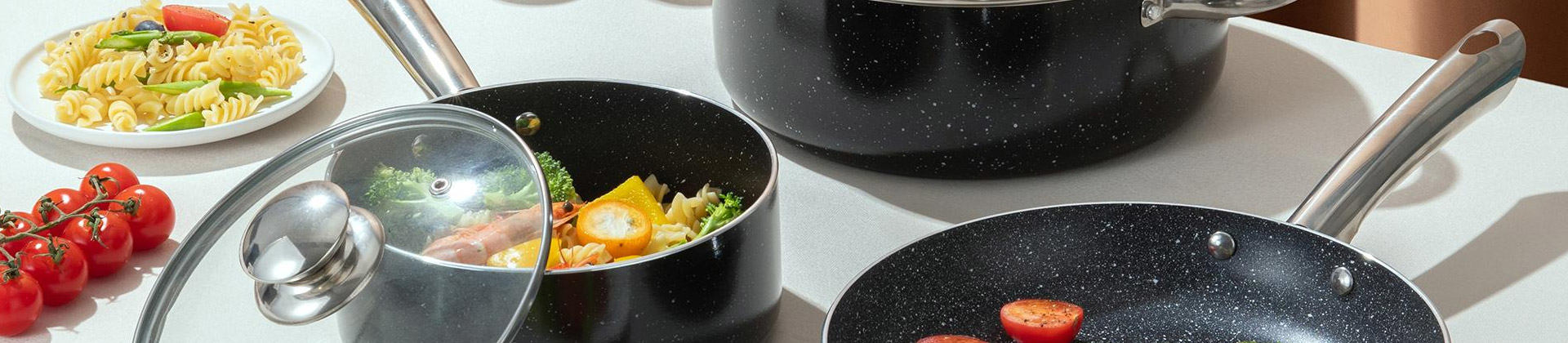
Small Saucepan with Lid Designs That Improve Heat Control and Cooking Convenience
Oct 16, 2026
A reliable Small Saucepan with Lid is a practical addition to kitchens where precise heating and easy handling matter. From preparing delicate sauces to reheating single portions, the right design helps users manage everyday cooking without taking up unnecessary space. For cookware distributors and importers, product selection increasingly involves more than appearance: heating performance, handle comfort, lid design, and compatibility with modern cooktops all influence purchasing decisions. Understanding these features helps buyers choose products that meet customer expectations and perform consistently in daily use.
Better Heat Control for Delicate Recipes
Small quantities of food can heat quickly, making temperature control particularly important. Sauces, melted butter, and milk-based mixtures may scorch if the pan develops concentrated hot spots or remains over high heat for too long.
When selecting a small saucepan, buyers should examine the base thickness, material composition, and heat distribution characteristics. Aluminum conducts heat efficiently, while stainless steel models may incorporate layered bases to improve heating performance. The appropriate construction depends on the intended application, price positioning, and target market.
Lid Design Makes a Practical Difference
A well-designed lid helps retain moisture and reduces splashing during simmering. However, buyers should also consider how easily the lid can be lifted, cleaned, and stored. Glass lids allow users to monitor cooking without repeatedly removing the cover, while stainless steel lids offer an opaque alternative that may suit certain product styles.
For wholesale sourcing, several details deserve attention:
- Rim alignment: Consistent contact helps the lid sit properly on the saucepan.
- Knob comfort: A secure, easy-to-grip handle improves routine handling.
- Steam management: Any vent should suit the product's intended cooking applications.
- Component durability: Lid handles and attachment points should withstand normal use when maintained correctly.
These construction details can distinguish a thoughtfully developed product from a saucepan selected mainly for its appearance.
Handle Comfort and Kitchen Safety
A compact pan is often moved between the cooktop, countertop, and sink, so handle design deserves careful evaluation. The handle should provide sufficient clearance from the pan body and allow a stable grip during ordinary use. Its material also affects heat resistance, cleaning requirements, and overall product weight.
Buyers should check handle attachment, balance when the pan contains food, and any manufacturer-provided guidance on oven use. Heat-resistant handles are not necessarily oven-safe, and the suitability of the entire product depends on its individual components. Clear instructions help retailers communicate safe handling expectations to end users.
Cooktop Compatibility for Modern Kitchens
Households use different cooking systems, so compatibility can influence purchasing decisions. A small saucepan with lid for induction cooking needs a suitable magnetic base, while gas and electric cooktops have their own practical considerations.
Before confirming an order, procurement teams should verify the supplier's stated compatibility for each model. Base diameter, flatness, and construction may affect how effectively a pan performs on a particular cooktop. Accurate technical descriptions are especially valuable for online retailers, where customers often compare specifications before purchasing.
Cleaning Requirements and Surface Care
Convenient cleaning is an important feature for cookware used every day. Smooth interiors and accessible joints can help reduce food residue buildup, while suitable surface finishes may simplify maintenance.
Care instructions should reflect the actual construction of each product. Nonstick surfaces generally require non-abrasive cleaning tools, and stainless steel may need soaking when food becomes firmly attached. Buyers should confirm dishwasher suitability rather than treating it as a standard feature across all saucepan materials and finishes.
Quality Checks Before Wholesale Orders
Consistent manufacturing quality supports product reliability and helps businesses reduce avoidable customer complaints. During supplier assessment, buyers should pay attention to base flatness, dimensional accuracy, surface defects, handle security, and lid fit. These checks are useful both when approving samples and when establishing inspection criteria for repeat orders.
As a manufacturer, we recommend confirming product specifications before mass production, particularly when custom capacities, finishes, packaging, or branding are involved. Documented requirements make it easier for both parties to evaluate finished goods against agreed expectations and maintain consistency between orders.
Selecting the Right Saucepan for Your Product Range
A suitable saucepan should match the cooking habits, budget, and equipment preferences of its intended customers. Some markets may favor lightweight cookware and easy-clean surfaces, while others may place greater emphasis on stainless steel construction, induction compatibility, or a coordinated cookware appearance.
When sourcing a Small Saucepan with Lid, importers and retailers should compare capacity, material, base construction, handle design, maintenance requirements, and supplier quality controls together. This practical approach supports better product decisions and helps businesses offer cookware designed for everyday convenience rather than relying on appearance alone.
Share:
Related Products

Need Custom Cookware? OEM & ODM Experts – Contact Us Today!
-

0086-578-3183238
-

0086-13750930689
-

-

86-13750930689
https://www.pinterest.com/zhuohao2021/ -

No.3 Xinye Road, Jinyun Industrial Area, Zhejiang, China.
Copyright © Zhejiang Wantong Industry & Trade Co., Ltd.

OEM/ODM Kitchen Cookware Manufacturer