 0
 language
 English
 русский
 Français
 Español
 Português
 عربى


Small Saucepan with Lid: Improving Product Value Through Smarter Cookware Design
Oct 26, 2026
A Small Saucepan with Lid is a versatile kitchen essential for preparing sauces, warming milk, cooking small portions of vegetables, and reheating leftovers. For overseas cookware buyers, product value depends on more than compact size or attractive styling. Heat distribution, pouring control, storage convenience, and material durability all influence the user experience. For manufacturers and distributors, understanding these practical requirements helps guide product selection and create cookware ranges that meet everyday needs without unnecessary features.
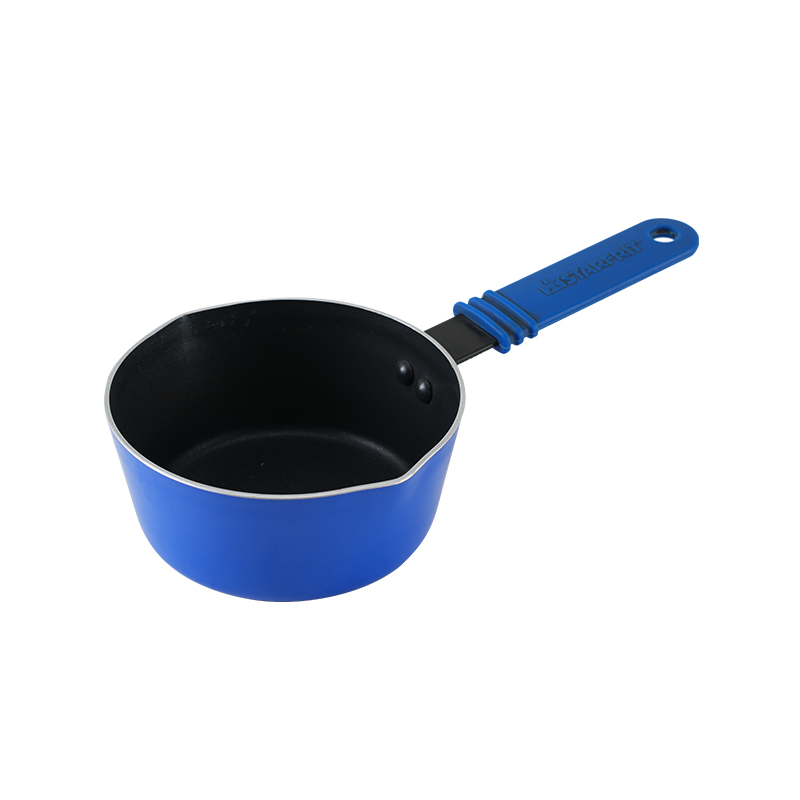
Pouring Performance and Rim Design
Pouring is a frequent but often overlooked part of saucepan use. When transferring soup, melted butter, or a prepared sauce, an unsuitable rim can cause dripping and leave residue on the exterior. A carefully shaped edge may help users direct liquids more neatly, depending on the pan's geometry and contents.
During product evaluation, buyers should examine the rim finish, opening shape, and balance of the saucepan when tilted. These details are especially relevant for models marketed for sauce preparation or small-volume liquid heating. Testing a sample with representative ingredients can reveal handling issues that are difficult to identify from product photographs alone.
Capacity That Matches Real Cooking Habits
A compact saucepan should provide enough room for its intended tasks without becoming unnecessarily bulky. Smaller capacities can suit individual portions, breakfast preparation, and quick side dishes, while slightly deeper models may be more practical for liquids that need room to simmer.
For retailers building a cookware collection, offering clearly differentiated sizes can help customers choose according to household needs. Product listings should state usable capacity, dimensions, and recommended applications accurately. This information also helps buyers compare models and reduces confusion between nominal capacity and the amount comfortably handled during cooking.
Material Selection for Different Market Segments
Material choice affects weight, maintenance, appearance, and heating behavior. Stainless steel appeals to customers who prefer a metal cooking surface and straightforward care, while aluminum can offer efficient heat transfer with relatively lightweight construction. Nonstick-coated saucepans may suit users who regularly prepare delicate mixtures or prioritize easier food release.
No single material is ideal for every application. Buyers should consider the target price range, intended cooktop, cooking habits, and care expectations before deciding which models to stock. As a manufacturer, we recommend evaluating the complete construction rather than selecting products based on material labels alone.
Lid Visibility and Steam Management
The lid can influence cooking convenience, particularly when preparing foods that benefit from steady simmering. A glass lid allows users to monitor the contents without frequently lifting it, while a metal lid may provide a more uniform appearance across a cookware set.
When comparing designs, procurement teams should assess lid fit, handle security, cleaning access, and any steam vent. A vented lid and a tightly seated lid serve different practical considerations, so the appropriate choice depends on the intended use. Product descriptions should explain these features clearly instead of making unsupported claims about cooking performance.
Storage-Friendly Features for Modern Kitchens
Limited cabinet space makes compact storage a relevant consideration for many households. A saucepan with a streamlined profile may fit more easily into crowded cupboards, while a handle designed with storage in mind can improve how the product sits alongside other cookware.
For a space-saving small saucepan with lid, buyers should consider the overall dimensions, handle projection, lid storage, and compatibility with the retailer's broader cookware assortment. If several sizes are offered, consistent design language can help customers organize products together without sacrificing practical differences in capacity.
Quality Inspection Before Shipment
A saucepan's everyday performance depends on consistent manufacturing details. Uneven base surfaces, rough edges, loose handles, or poorly fitting lids can affect usability and create avoidable quality complaints.
Our recommended inspection points include:
- Dimensions and capacity: Confirm that finished products match approved specifications.
- Surface quality: Check for visible defects, rough edges, and inconsistent finishes.
- Assembly: Examine handle attachments and lid components for secure construction.
- Packaging: Verify that protective materials help prevent scratching and impact damage during transport.
For wholesale orders, agreeing on inspection requirements before production provides a clearer standard for evaluating finished goods and repeat shipments.
Selecting a Product That Fits Your Customers
A competitive cookware range begins with a clear understanding of customer priorities. Some buyers focus on lightweight handling and easy cleaning, while others value stainless steel construction, induction compatibility, or a coordinated appearance across multiple products.
When sourcing a Small Saucepan with Lid, importers and retailers should compare material, capacity, rim design, lid construction, storage requirements, and quality controls as a complete package. This practical approach supports more informed purchasing decisions and helps businesses offer compact cookware that delivers genuine everyday value.
Share:
Related Products

Need Custom Cookware? OEM & ODM Experts – Contact Us Today!
-

0086-578-3183238
-

0086-13750930689
-

-

86-13750930689
https://www.pinterest.com/zhuohao2021/ -

No.3 Xinye Road, Jinyun Industrial Area, Zhejiang, China.
Copyright © Zhejiang Wantong Industry & Trade Co., Ltd.

OEM/ODM Kitchen Cookware Manufacturer