 0
0
 language
  English
 русский
 Français
 Español
 Português
 عربى
عربى
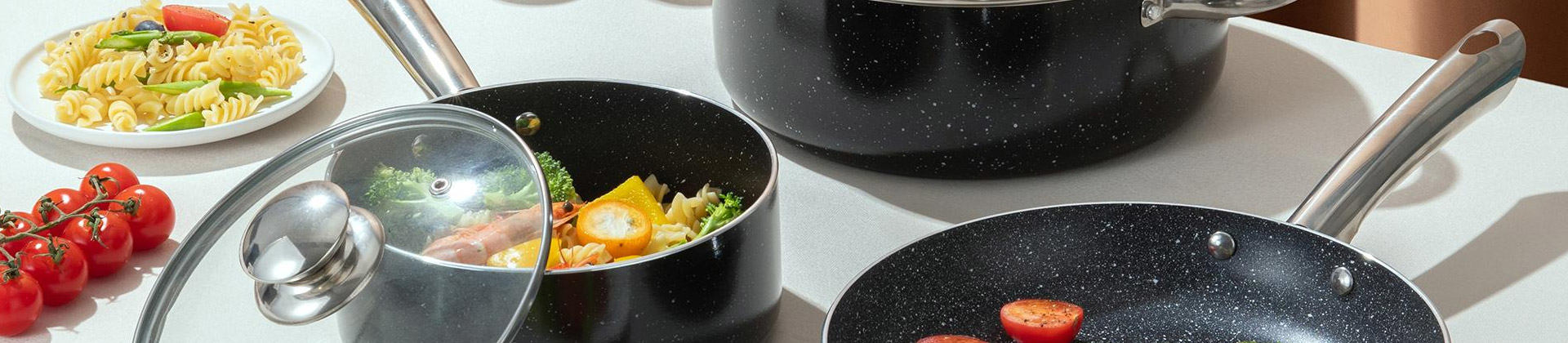
Improving Wholesale Cookware Supply Through Durable Non-Stick Solutions for Global Markets
Sep 04, 2026
The demand for practical, safe, and easy-to-maintain kitchen products continues to influence cookware purchasing decisions worldwide. For retailers, distributors, and kitchenware brands, selecting the right supplier is not only about product appearance but also coating performance, material consistency, customization capability, and long-term market acceptance. As a manufacturer serving international buyers, we understand that Non-Stick Cookware Wholesale requires a balance between user experience, production reliability, and compliance requirements. Current sourcing trends show that buyers are paying more attention to coating materials, induction compatibility, and product durability when evaluating cookware suppliers.
Meeting Buyer Expectations for Reliable Non-Stick Performance
One of the main challenges for cookware buyers is maintaining consistent non-stick performance across large production orders. A cookware set may look attractive during sampling, but inconsistent coating thickness, uneven surface treatment, or unsuitable base materials can affect customer satisfaction after mass production.
For wholesale buyers, key manufacturing considerations include:
- Stable coating application during production
- Even heat distribution through suitable cookware bodies
- Scratch resistance based on intended usage
- Compatibility with different cooking methods, including induction options
Manufacturers need to control each production stage, from material preparation to surface treatment, to ensure every batch meets the expected quality requirements.
Selecting Materials Based on Different Market Needs
Different markets often have different preferences for cookware materials and designs. Some retailers focus on affordable daily cooking solutions, while others target premium kitchenware segments that emphasize appearance and extended product usage.
Common material choices include:
- Aluminum cookware bodies for lightweight handling and efficient heat transfer
- Hard-anodized aluminum for enhanced surface strength
- Ceramic-coated options for customers looking for alternative coating solutions
- Multi-layer structures for improved cooking stability
When planning a wholesale cookware collection, buyers should consider their target customers, sales channels, and regional cooking habits instead of selecting products based only on initial cost.
Addressing Safety and Compliance Requirements in Global Trade
International cookware buyers increasingly require clear information about product safety and manufacturing standards. Retailers and distributors need suppliers who can provide consistent documentation and support market-specific requirements.
Important factors during supplier evaluation include:
- Food contact material compliance
- Coating safety documentation
- Production quality inspection procedures
- Packaging requirements for different markets
For overseas brands, working with a factory that understands export requirements can reduce communication difficulties and improve supply chain efficiency.
Customization Options for Private Label Cookware Brands
Private label demand continues to create opportunities for cookware distributors and online brands. However, successful customization requires more than adding a logo. Buyers are looking for flexible OEM and ODM solutions that allow them to develop products matching their brand positioning.
Manufacturing customization may include:
- Cookware size and shape adjustments
- Handle design selection
- Surface color and finishing options
- Customized packaging design
- Product set combinations for different sales channels
A capable manufacturing partner helps brands transform market ideas into practical products while maintaining production feasibility.
Improving Supply Chain Efficiency for Wholesale Orders
For importers, supply stability is an important factor when building long-term cookware sales. Delays, inconsistent product quality, or limited customization options can affect inventory planning and customer relationships.
A professional cookware manufacturer focuses on:
- Production process management to maintain stable output quality
- Quality inspections during different manufacturing stages
- Clear communication about specifications and packaging requirements
- Flexible solutions for different order volumes and product categories
These practices help buyers reduce sourcing risks and create more predictable purchasing plans.
Supporting Future Trends in Kitchenware Development
The cookware market continues to move toward products that combine convenience, modern design, and responsible manufacturing practices. Buyers are exploring solutions that match changing consumer expectations, including easy-clean surfaces, efficient cooking performance, and materials suitable for various kitchen environments.
For manufacturers, continuous improvement in coating technology, production control, and customization services is becoming an important part of supporting global customers.
Companies sourcing Non-Stick Cookware Wholesale products can benefit from choosing suppliers that provide technical knowledge, stable manufacturing processes, and adaptable OEM/ODM capabilities. By focusing on practical product performance and reliable cooperation, cookware brands can build stronger market competitiveness in international markets.
Share:
Related Products
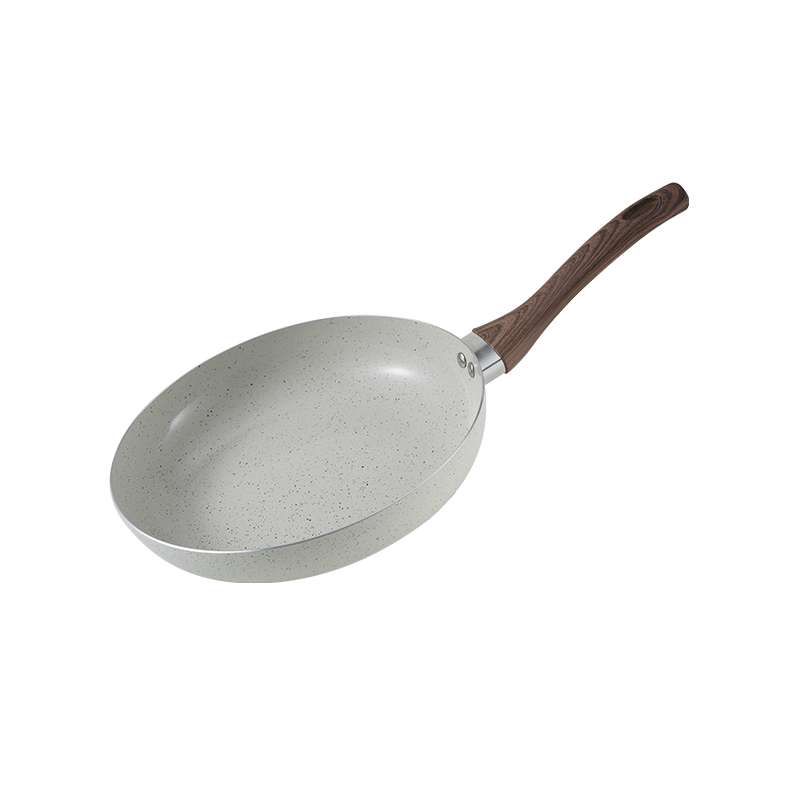
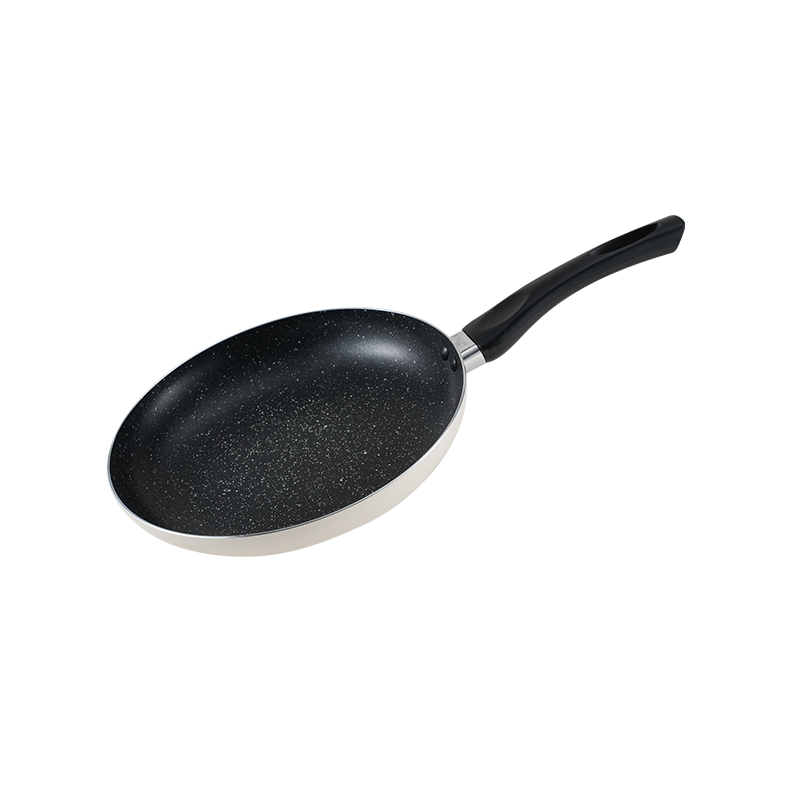

Need Custom Cookware? OEM & ODM Experts – Contact Us Today!
-

0086-578-3183238
-

0086-13750930689
-

-

86-13750930689
https://www.pinterest.com/zhuohao2021/ -

No.3 Xinye Road, Jinyun Industrial Area, Zhejiang, China.
Copyright © Zhejiang Wantong Industry & Trade Co., Ltd.

OEM/ODM Kitchen Cookware Manufacturer