 0
0
 language
  English
 русский
 Français
 Español
 Português
 عربى
عربى
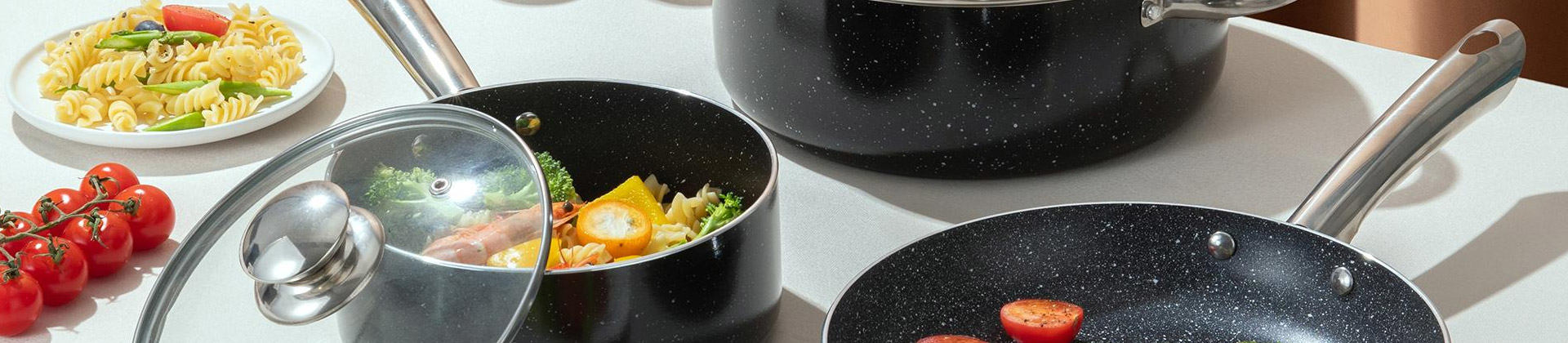
How Do Pans Affect Cooking Consistency
Apr 17, 2026
Consistency in cooking is often what separates a good meal from a great one. When food comes out evenly cooked every time, the process feels predictable, efficient, and professional. Professional chefs and home cooks alike look to their cookware to provide this consistency. Zhejiang Wantong Industry & Trade Co., Ltd., as a reliable Professional Kitchen Cookware Supplier, has observed how different types of Cooking Pots And Pans directly influence cooking outcomes, heat control, and flavor development.
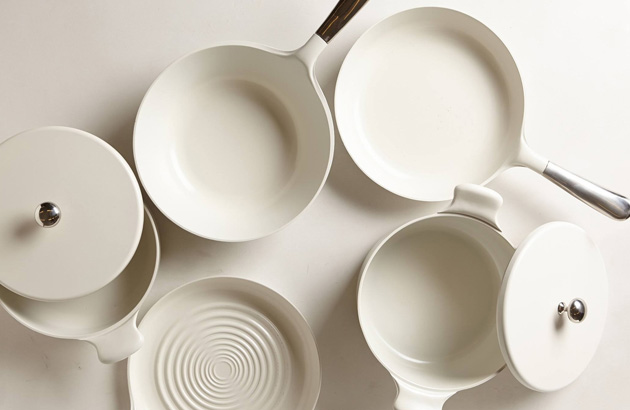
1. Material and Heat Conductivity
The type of pan you choose impacts how evenly heat is distributed across the cooking surface. Aluminum and copper pans conduct heat quickly, whereas stainless steel tends to heat more slowly unless combined with a conductive core. Cast iron, although slower to heat, holds temperature exceptionally well, ensuring stability over long cooking periods.
Practical Insight:
Cooking a sauce in a thin stainless steel pan may result in hot spots that can burn the bottom while leaving the top undercooked.
Using a pan with layered construction, such as an aluminum core sandwiched between stainless steel, solves uneven heating without compromising durability.
2. Pan Thickness and Warping
Even subtle warping of a pan can disrupt cooking consistency. High-quality Cooking Pots And Pans from Zhejiang Wantong Industry & Trade Co., Ltd. use thick gauge metals to prevent bending under high heat.
Why Thickness Matters:
Thick pans retain heat better and reduce cold spots.
Reduced warping preserves a flat cooking surface, which is essential for searing proteins evenly.
Chefs in professional kitchens often prefer pans that maintain shape even under repeated use on high-temperature burners.
3. Surface Coating and Food Release
Non-stick and ceramic coatings influence consistency differently — by controlling how food interacts with the cooking surface. Sticky surfaces can contribute to uneven browning or tearing of delicate items like fish fillets. High-quality non-stick coatings allow food to cook evenly without sticking, while still allowing a chef to use moderate amounts of oil or butter.
Case Example:
A professional omelet cooked in a stainless steel pan without a non-stick layer requires precise heat control to prevent sticking. Using a non-stick pan of similar size and thickness ensures the omelet cooks uniformly and maintains its shape.
4. Pan Shape and Size
Cooking consistency is also affected by the pan’s shape and depth. Wider pans spread ingredients out, promoting even heat contact. Deeper pans can trap steam and moisture, which is ideal for braising but less ideal for high-heat searing. Selecting the right pan for the dish ensures the heat reaches all parts of the food equally.
Professional Tip:
For sautéing, a wide, flat pan provides the ideal surface area for evaporation and browning.
For soups or stews, a deeper, thick-bottomed pot maintains heat evenly and prevents sticking.
5. Handles and Ergonomics
Although often overlooked, the handle design can influence cooking precision. Ergonomically designed handles help chefs maintain control over pan movement, tilt, and stirring, which indirectly affects consistency in food cooking.
Riveted handles provide stable grip and resist loosening over time.
Heat-resistant handles reduce the risk of accidental shifts caused by wearing oven mitts or gloves.
6. Cleaning and Maintenance Considerations
Cooking consistency is also tied to how well pans are maintained. Residual food buildup or scratches on non-stick surfaces can create uneven cooking spots. Professional-grade Cooking Pots And Pans from Zhejiang Wantong Industry & Trade Co., Ltd. are designed for durability and ease of cleaning, helping maintain consistent performance over years of use.
Share:
Related Products

Need Custom Cookware? OEM & ODM Experts – Contact Us Today!
-

0086-578-3183238
-

0086-13750930689
-

-

86-13750930689
https://www.pinterest.com/zhuohao2021/ -

No.3 Xinye Road, Jinyun Industrial Area, Zhejiang, China.
Copyright © Zhejiang Wantong Industry & Trade Co., Ltd.

OEM/ODM Kitchen Cookware Manufacturer