 0
0
 language
  English
 русский
 Français
 Español
 Português
 عربى
عربى
Acidic Foods and Aluminum Skillet Concerns in Discussions
Jan 29, 2026
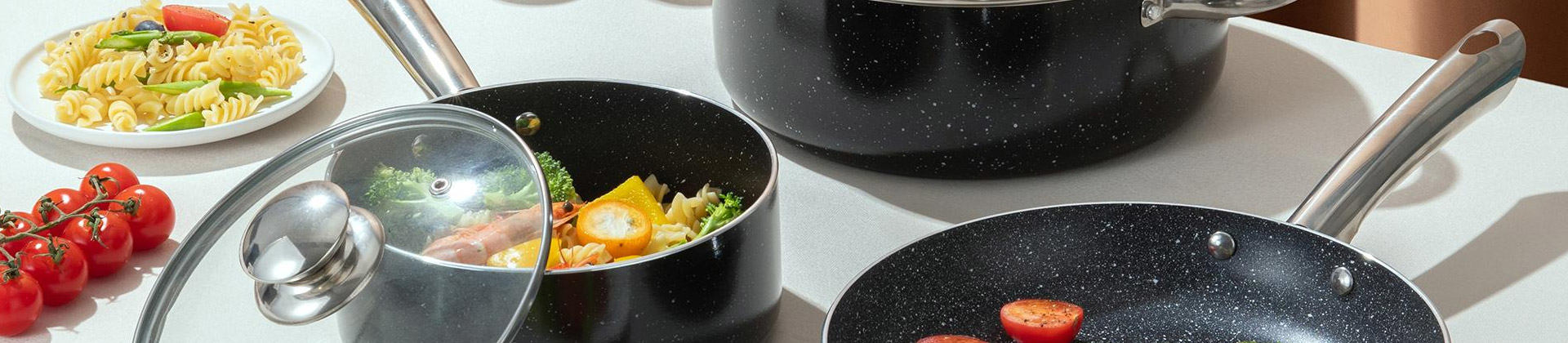
Cooking acidic foods in aluminum pans raises valid concerns about taste, surface reactions, and the lifespan of the cookware. This concern arises frequently when people compare cookware types or consider purchasing from an Aluminum Skillet Manufacturer or ordering a Wholesale Frying Pan for their kitchen. While occasional use of an aluminum pan may be safe for more people and only causes minor changes, frequent acidic cooking in uncoated aluminum may cause flavor alterations and surface wear. Understanding how acidity interacts with your cookware helps you choose materials that fit your cooking habits.
How Acidic Foods React with Aluminum
Aluminum is a reactive metal, meaning it can chemically interact with certain foods. Foods with high acid content — such as tomatoes, citrus fruits, vinegar sauces, and pickled dishes — can cause a reaction when cooked or left in contact with untreated aluminum surfaces. This reaction pulls tiny amounts of aluminum into the food and can cause pitting (small holes) or discoloration on the pan’s surface.
Reddit users often report that long‑simmering acidic sauces like tomato sauce can produce a metallic taste if cooked in bare aluminum cookware, especially when the cooking time is extended. In many cases, this reaction is more noticeable when the aluminum is uncoated or scratched.
Does This Affect Food Safety?
Experts suggest that small amounts of aluminum leaching into food are generally not considered harmful for people in everyday cooking situations. Government health bodies have indicated that exposure from normal cookware use usually falls well below safety thresholds, and there is no strong evidence linking occasional aluminum exposure to serious illness.
However, it’s worth noting that certain conditions can increase leaching risk:
Acidic foods (tomatoes, citrus juices) can accelerate the metal’s dissolution in uncoated pans.
High salt content combined with acidity can intensify reaction and pitting.
Prolonged cooking or storage of acidic dishes in aluminum cookware increases potential exposure.
While many home cooks remain unconcerned about occasional use, others choose alternatives for frequent acidic cooking to avoid taste changes and pan wear.
Taste and Surface Changes
One of the more commonly mentioned downsides of cooking acidic dishes in aluminum pans is a change in flavor. Many home users describe a slightly metallic or off taste in tomato‑based sauces when cooked for extended periods in bare aluminum cookware.
Additionally, the pan itself may show signs of pitting, discoloration, or surface deterioration over time if acidic foods are cooked repeatedly. These surface changes can affect how evenly the pan heats and how food releases from the surface, making cooking and cleaning more difficult.
When to Avoid Acidic Cooking in Aluminum
If your recipe involves long simmering — for example, slow‑cooked tomato sauces, vinegar‑based stews, or citrus braises — many home cooks and cookware guides recommend considering alternatives such as stainless steel, enameled cast iron, or ceramic pans.
Here are some situations where you might avoid aluminum:
Extended simmering time — acid has more time to interact with the metal.
Salt‑heavy recipes — salt boosts aluminum reactivity.
Storing acidic leftovers in the same pan — prolonged contact raises leaching risk.
How Coatings Help
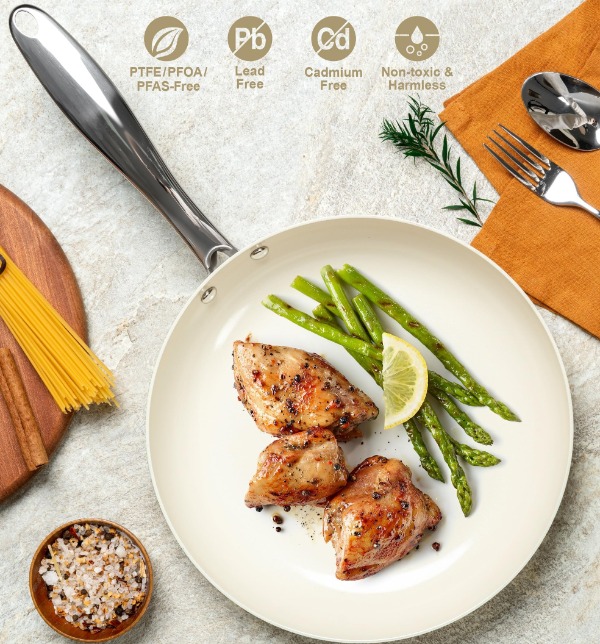
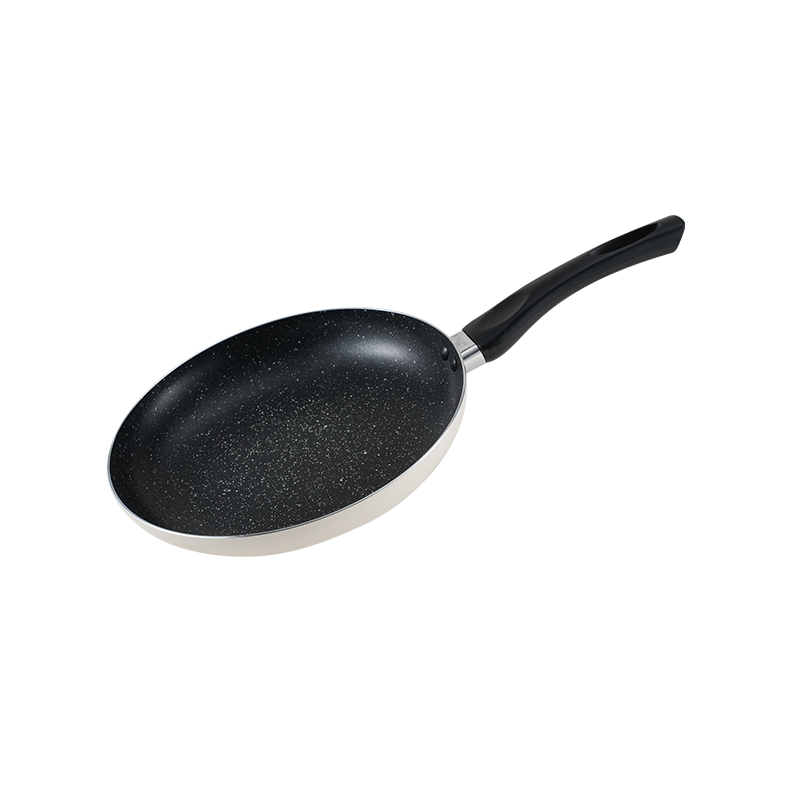
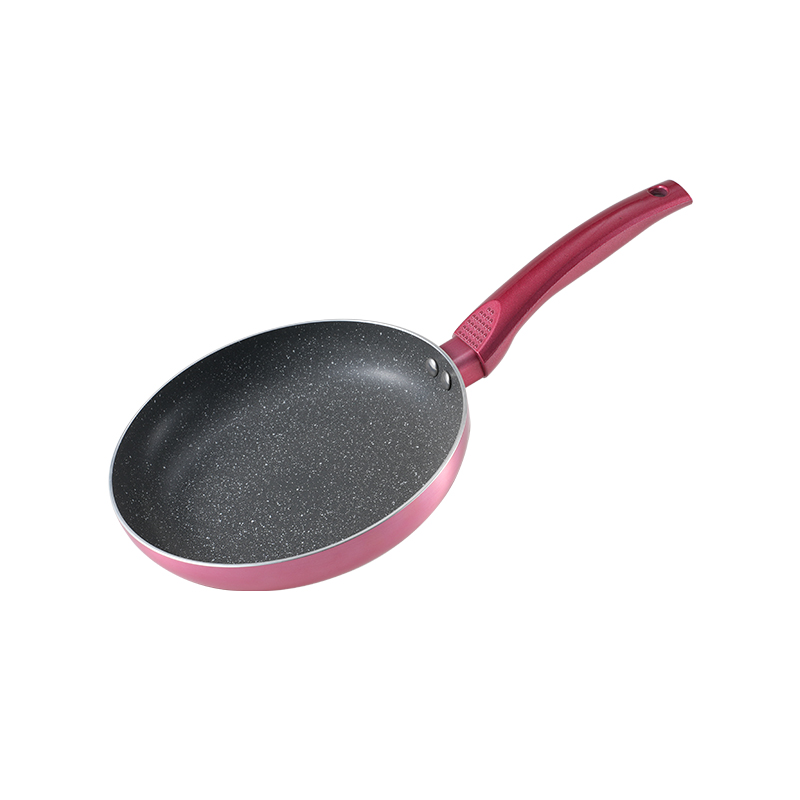
Not all aluminum cookware reacts the same way. Anodized aluminum or non‑stick coated pans have a protective layer that significantly reduces direct contact between food and raw metal, making them much less reactive with acidic foods.
When you’re evaluating options from an Aluminum Skillet Manufacturer, consider whether the product has anodized surfaces or a high‑quality coating. These features help preserve both the cooking surface and the integrity of your meals, even when dealing with ingredients like citrus or vinegar.
Practical Tips for Acidic Cooking in Aluminum
If you plan on using aluminum cookware for acidic dishes sometimes, home cooks often share practical tips based on long‑term kitchen experience:
Limit cooking time for high‑acid dishes in bare aluminum pans.
Add salt after cooking rather than during, to reduce metal reaction.
Hand wash and avoid abrasive scrubbing to protect coatings and minimize surface damage.
For frequent acidic cooking needs, investing in cookware designed to handle those recipes — perhaps as part of a set from a Wholesale Frying Pan supplier — can make kitchen life easier.
Making the Right Choice for Your Kitchen
Choosing the right pan for acidic cooking depends on how often you prepare these dishes and your personal preferences regarding taste and cookware maintenance. If you enjoy long‑simmered sauces or marinated dishes regularly, consider cookware options that won’t react with your food.
For kitchens planning bulk purchases or outfitting multiple stations, reliable sources like Zhejiang Wantong Industry & Trade Co., Ltd. offer a range of cookware that includes non‑reactive options and designs suitable for different cooking styles.
Share:
Related Products

Need Custom Cookware? OEM & ODM Experts – Contact Us Today!
-

0086-578-3183238
-

0086-13750930689
-

-

86-13750930689
https://www.pinterest.com/zhuohao2021/ -

No.3 Xinye Road, Jinyun Industrial Area, Zhejiang, China.
Copyright © Zhejiang Wantong Industry & Trade Co., Ltd.

OEM/ODM Kitchen Cookware Manufacturer